Luxury ryokan in Kinosaki: what the splurge actually buys
Luxury here is not a bigger bath, because that is capped. It is the building, the meal, the service.
Quick answer
Luxury in Kinosaki means the historic houses, not glass towers: Nishimuraya Honkan is the benchmark, about 160 years old, 34 rooms around interior gardens, with rooms from roughly ¥40,000 to ¥180,000 (about US$265–1,200) per night with kaiseki; Sennen no Yu Koman (founded 717) sells deeper history at gentler rates, and Nishimuraya Hotel Shogetsutei delivers the modern-luxury version with more space and facilities. The splurge buys in-room dining, private open-air baths and the town's best kitchens; the seven public baths remain identical, and free, for everyone. ⚠️ verify rates at booking.
Overview
Kinosaki compresses the luxury question in a way most destinations cannot: the town's headline experience, the seven-bath circuit, costs every guest exactly nothing beyond their room. So what does the top tier actually sell? Four things, honestly: architecture you cannot rent elsewhere, dinner served in your room by a kitchen at the top of the crab trade, a private bath for the hours between the public ones, and the particular quiet of a house that has been practicing for a century or three. For the right trip, an anniversary, a once-in-Japan splurge, peak crab season done properly, those four things justify the bill. This guide names the houses and prices the difference. There is a legal reason the list below contains no infinity pools, and it is the most Kinosaki fact on this page: a municipal ordinance caps the size of every inn's bath, so the town's top houses were barred, generations ago, from competing on bathing grandeur. The money went where the law left room — wood, gardens, kitchens, service — and the result is a luxury market unlike any other onsen town's, which the closing section explains in full. The list is also deliberately short: Kinosaki's top tier is a handful of houses, not a category — small-inventory, long-practiced, and, as the rate spread shows, priced by season more than by menu of amenities. Read the profiles with the ordinance in mind and the market makes sense at a glance — including its prices, which reward the calendar far more than the category.
Nishimuraya Honkan: the benchmark
The grand house of the town and the correct default answer. Roughly 160 years of practice show in the details: corridors of dark wood around interior gardens, 34 rooms in classical proportions, suites whose private open-air baths look into green, kaiseki, crab kaiseki from November to March, that defines the local standard, served in-room on the classic plans. Rooms run from about ¥40,000 to ¥180,000 (about US$265–1,200) per night with meals, peaking in crab season; the famous suites at winter weekends are the town's hardest booking, three to six months ahead. ⚠️ verify rates. The honest caveat repeats from our main stay guide: this is formal, quiet, classical luxury. It rewards guests who want exactly that and can feel hushed for travelers chasing the lantern-street energy outside. Read the Honkan through the ordinance and its choices make perfect sense: barred from building the town's biggest bath, the house spent 160 years building the town's deepest everything-else — the kitchen that sets the kaiseki benchmark, the garden corridors, the service culture that dresses and remembers you. It is what luxury looks like when a town's law forces it inward, and it is why the Honkan feels closer to a great traditional restaurant with exquisite rooms than to a resort. The booking reality completes the profile: the crab-season weekends here are the first inventory in town to vanish, the named garden suites go earliest of all, and the weekday shoulder-season rates are the quiet route to the benchmark at its gentlest.
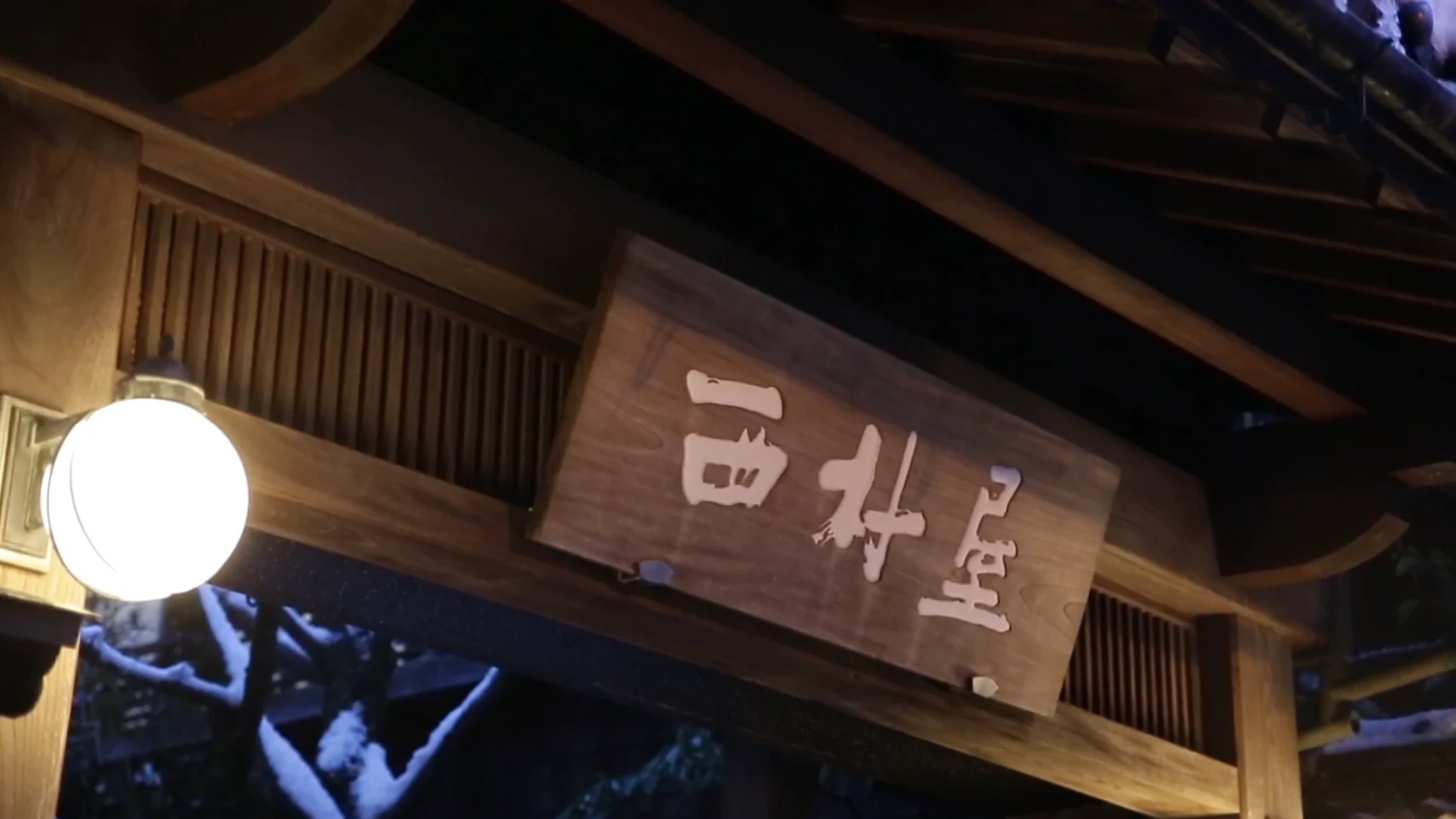
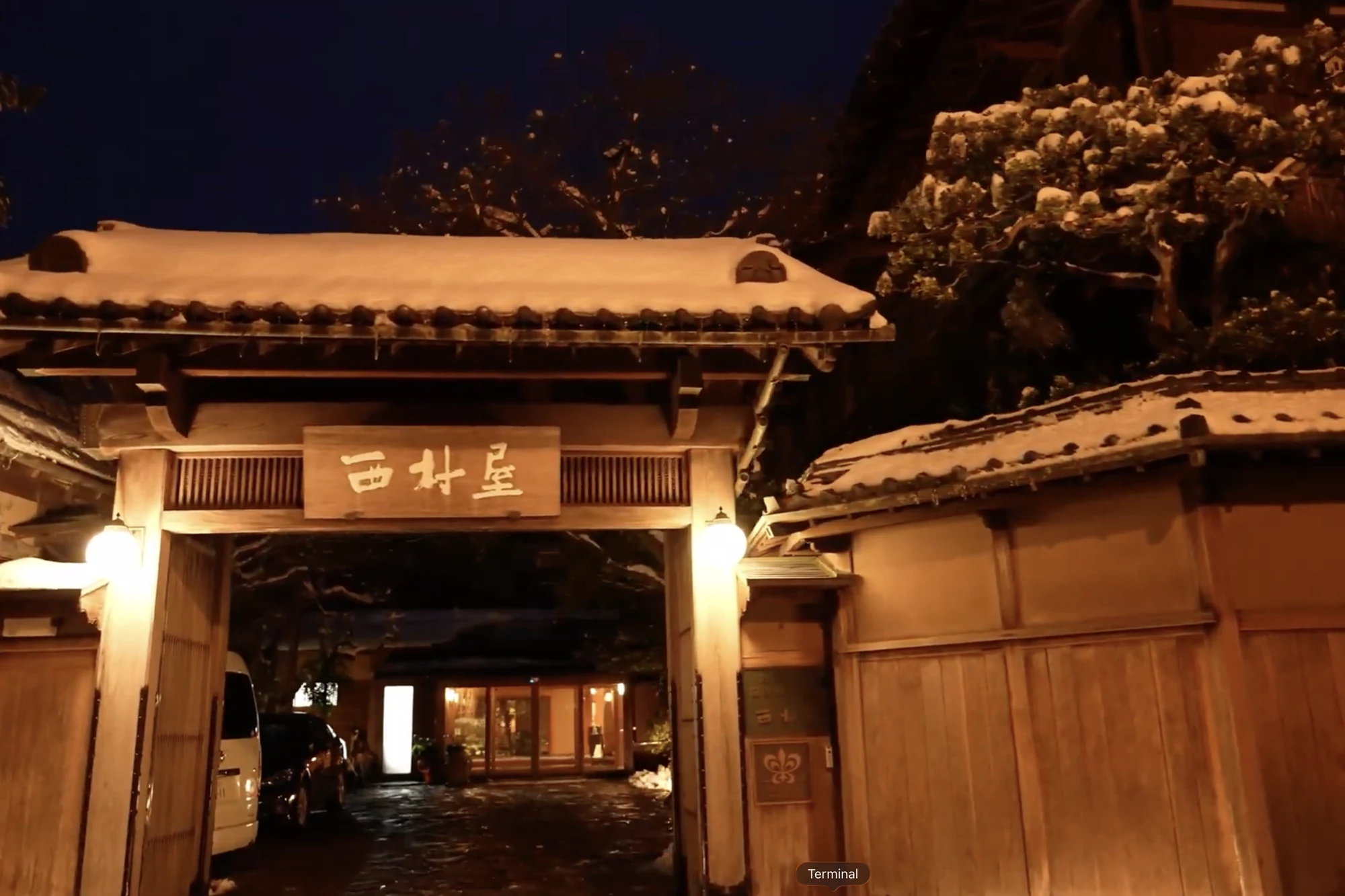
About 160 years old, 34 rooms, and the benchmark every other house in town is measured against. ⚠️
Sennen no Yu Koman: history as the luxury
Koman's product is thirteen centuries. Founded in 717 and woven into the town's origin legend, it is among the oldest continuously operating inns in Japan, and its upper rooms and crab-season table compete seriously while its rates sit meaningfully below Nishimuraya's summit. ⚠️ verify. For travelers who measure luxury in story rather than thread count, the oldest bed in a 1,300-year-old town is the purchase, and nothing else in Kinosaki matches it. The context that makes the claim land: 717 is the year the town's own founding account has the monk Dōchi Shōnin beginning the thousand-day prayer that legend says summoned the spring, and 2020 was marked town-wide as 開湯1300年 — thirteen centuries of the water. An inn whose name reaches back toward that origin is selling continuity, and continuity is the one amenity no renovation budget can add. We scope the superlative carefully — "among the oldest continuously operating inns in Japan" is the defensible phrasing — and note the founding-year tie is the inn's own tradition. ⚠️ Verify against the inn's materials at publish. What that buys day-to-day is quieter than the Honkan's polish: canal-side position minutes from the open bathhouses, rooms that wear their history lightly, and a table that competes seriously in crab season at rates a tier below the summit. Its rates' distance below that summit is itself information: history is the product, and history did not require a second wing. For second-visit travellers especially, it is the house that rewards knowing the town's story — read the founding pages first and the stay doubles in depth.
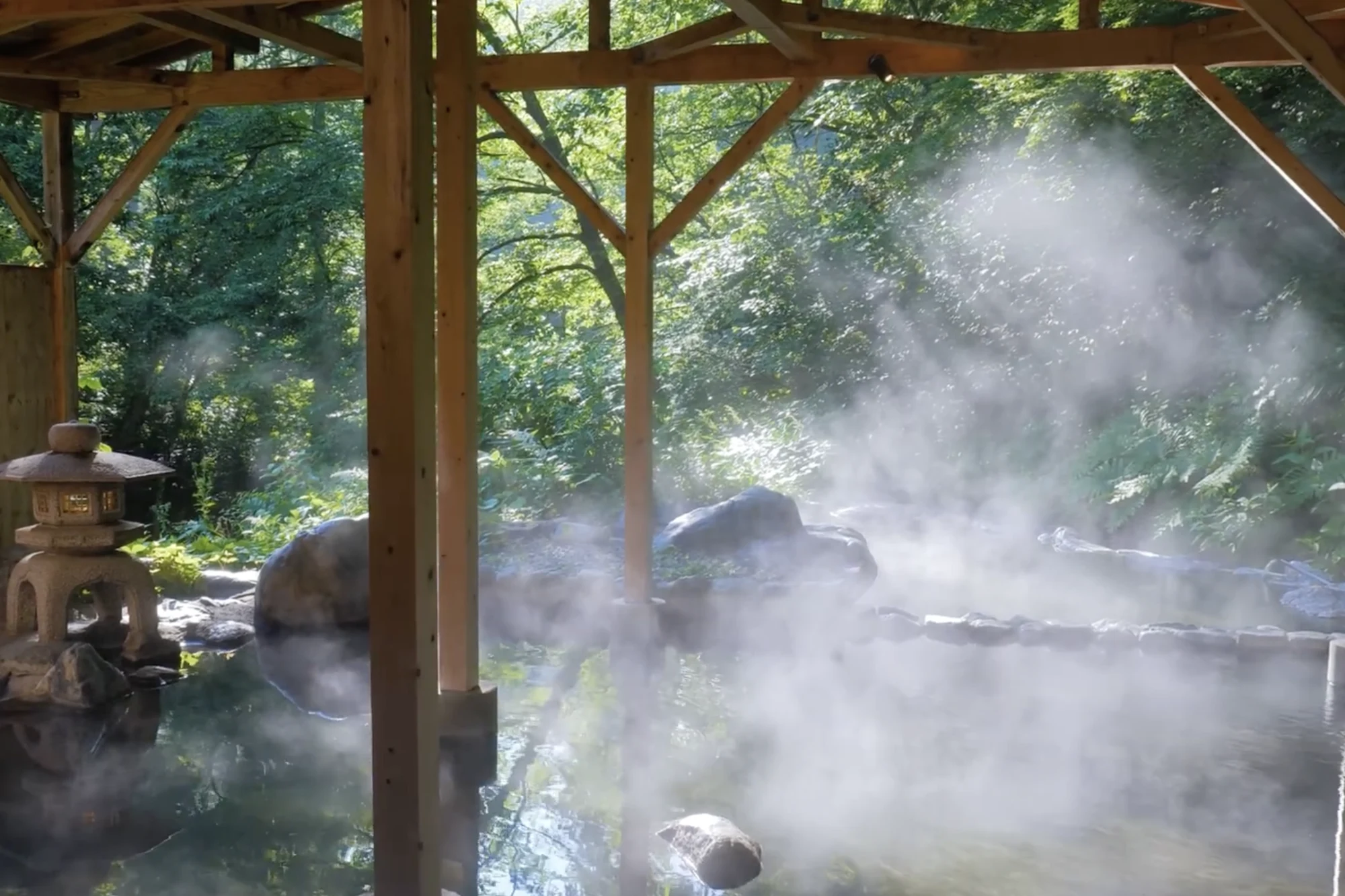
A private open-air bath is the one luxury the ordinance still permits, at a size it dictates.
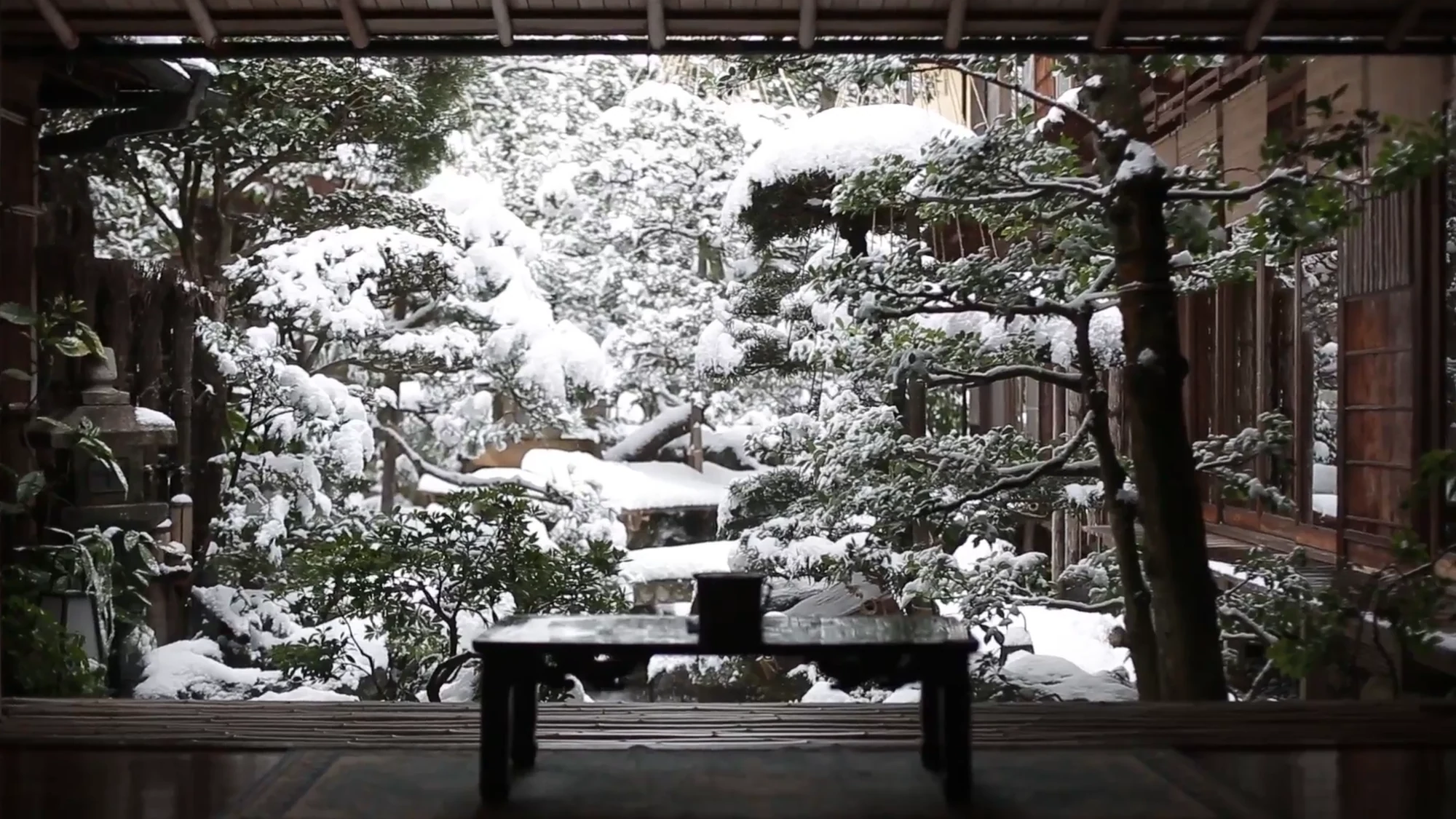
The older houses sell continuity: the same family, the same garden, the same room your grandparents booked.
Nishimuraya Hotel Shogetsutei: the modern translation
The Honkan's sister property translates the same kitchen and service culture into a contemporary building: larger rooms, more facilities, easier with children, open-air bath rooms at accessible-luxury prices. It is the right answer for families who want the Nishimuraya table without the Honkan's formality, and for travelers who simply prefer modern comfort with their heritage town outside the window. The honest positioning: Shogetsutei is where the Nishimuraya kitchen meets travellers the Honkan does not fit — families with children who need space and informality, groups mixing generations, and anyone whose version of luxury includes a lobby to spread out in. The rooms with open-air baths bring the private-soak experience to a price the Honkan's suites double, and the walk to the bath street is barely longer. It is also the practical choice for luxury travellers with mobility considerations: the contemporary building handles lifts and level floors in a way the historic houses structurally cannot. ⚠️ Confirm accessibility specifics directly with the property. In the town's own shorthand: the Honkan is where you sleep inside the tradition, and Shogetsutei is where the tradition cooks your dinner while you sleep comfortably next door. ⚠️ verify current offerings.
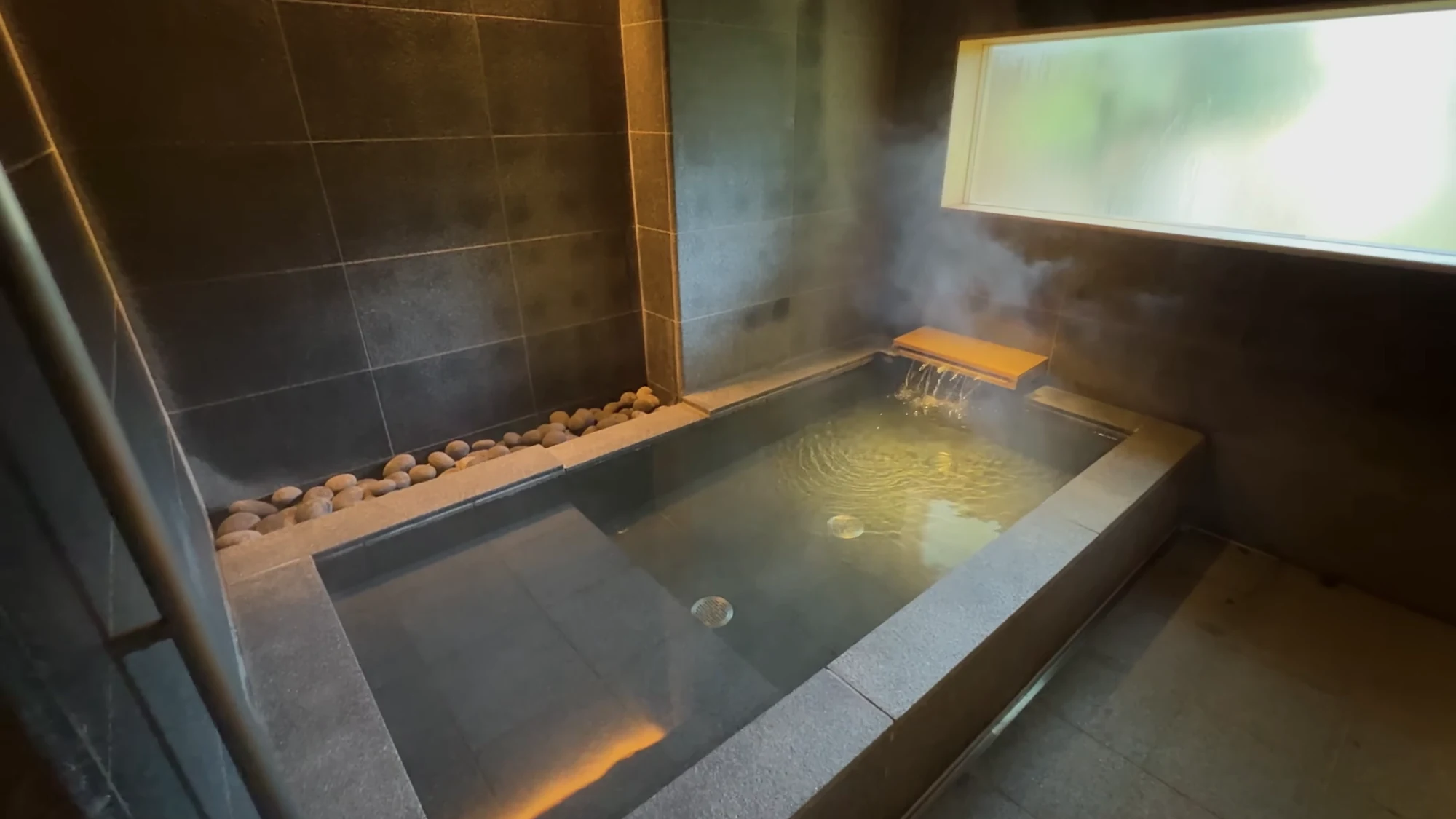
The modern houses spend on stone, glass and quiet rather than on scale.
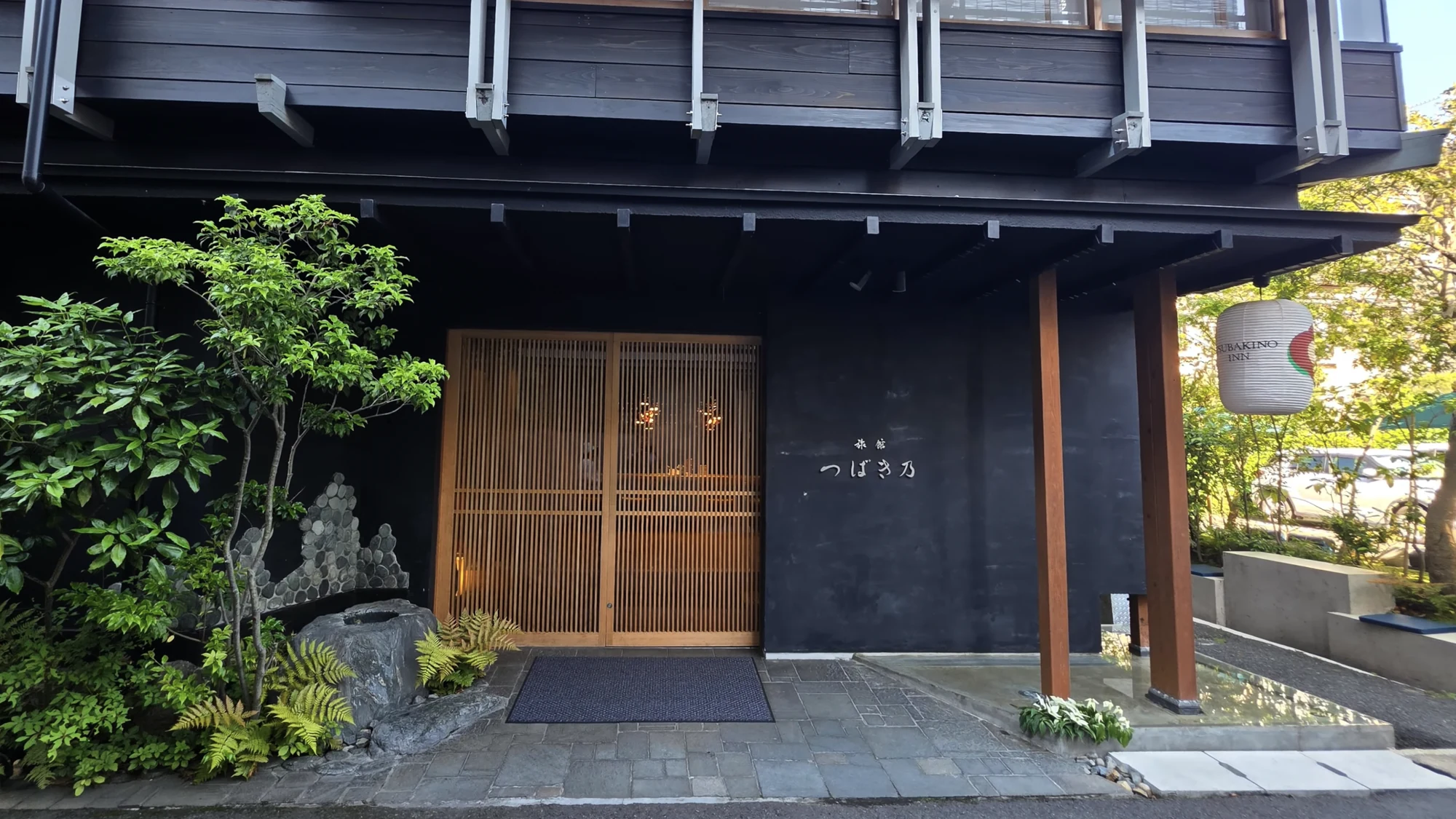
Newer houses sit on the same street, the same pass and the same water as the century-old ones.
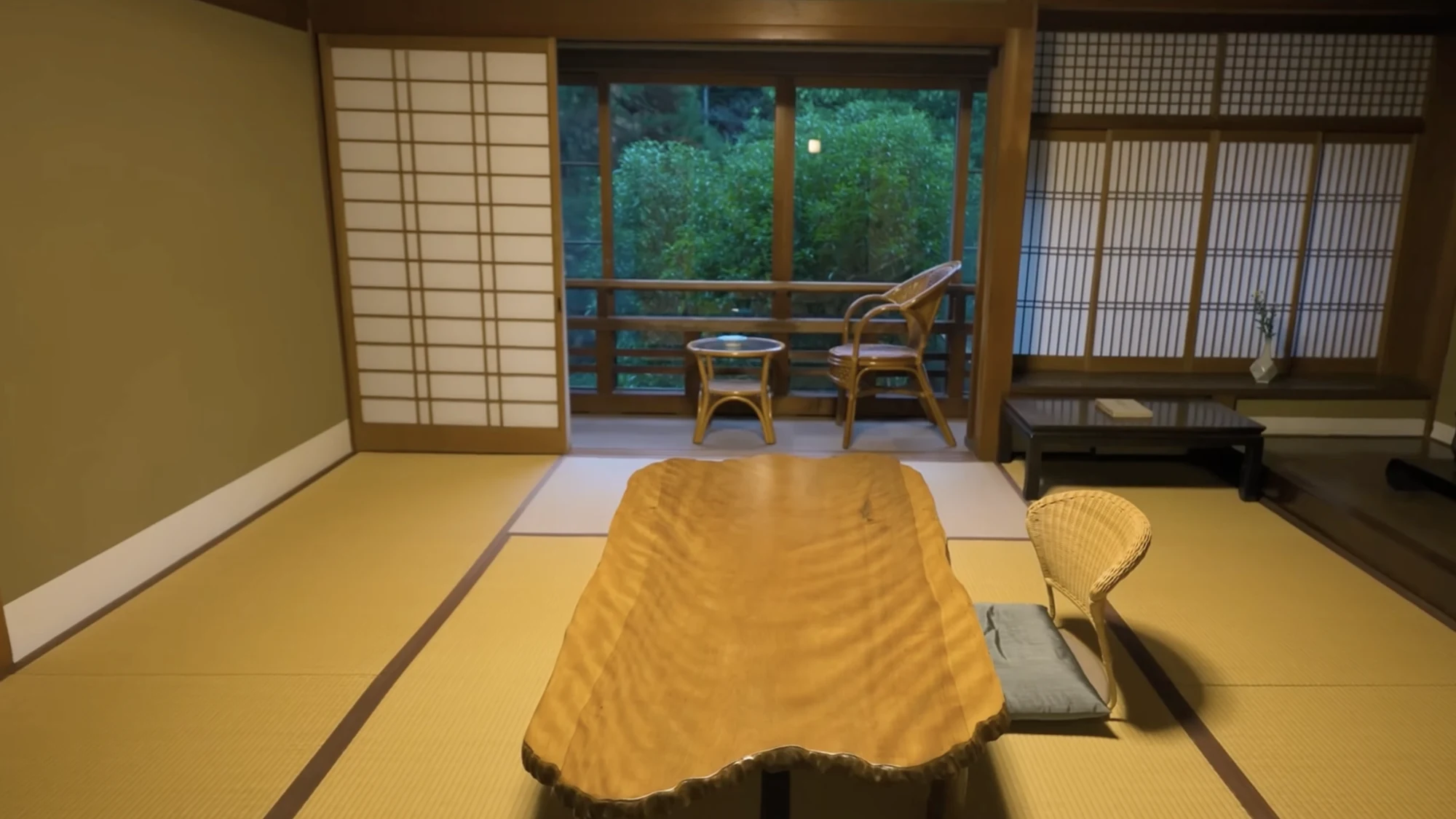
The modern houses keep the tatami and the kaiseki and lose the low doorways.
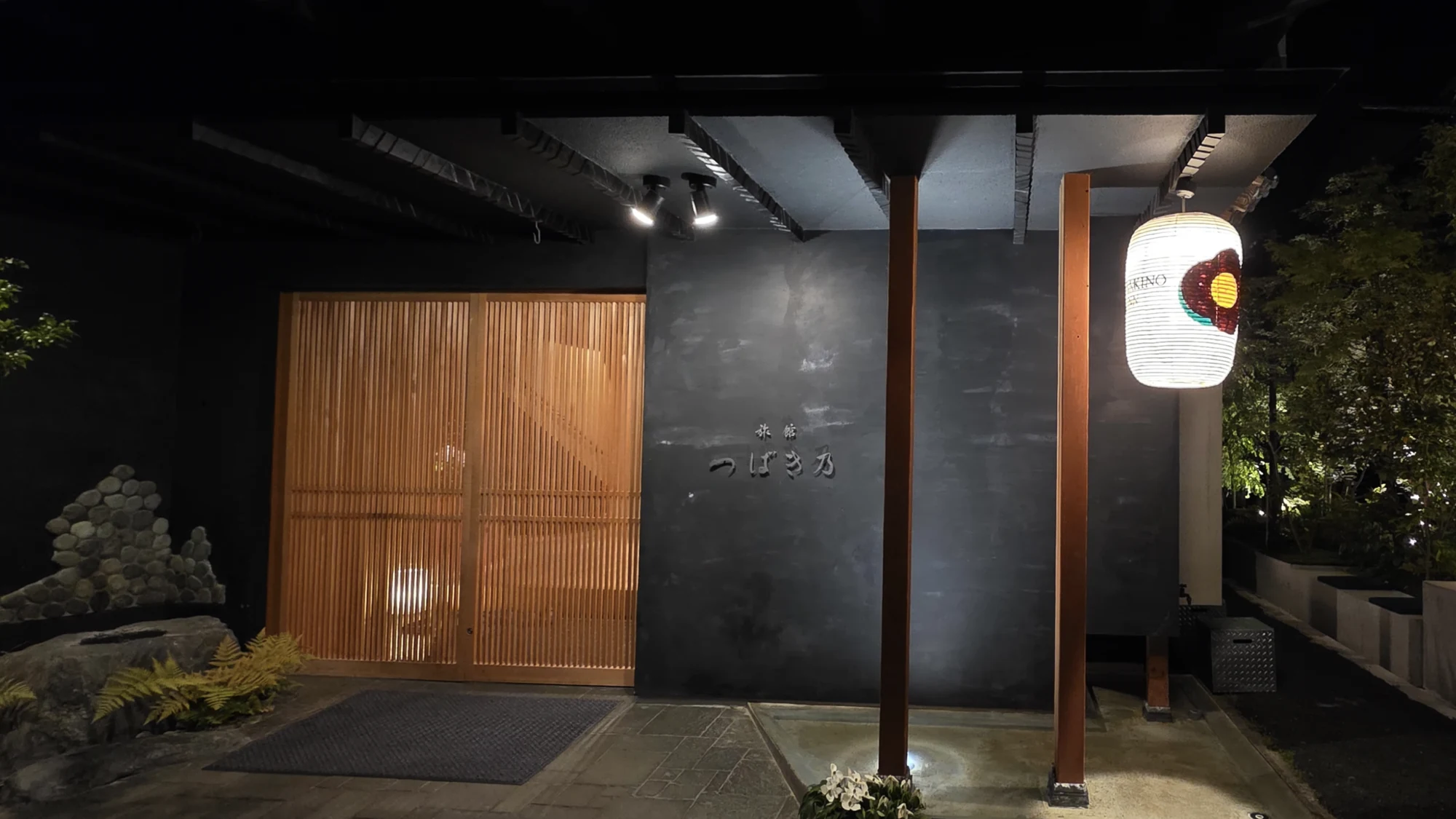
The modern translation keeps the kaiseki and the yukata and loses the low ceilings.
What to confirm before any luxury booking here
Five questions separate a great splurge from an expensive misunderstanding. Whether dinner is in-room or in a dining room (both exist on different plans; in-room is the classic luxury and worth requesting explicitly). Whether your room's bath is hot-spring fed or plain hot water (ask; the answer varies by room class). Whether the crab on winter menus is the certified local Matsuba grade, the tag on the claw is the point of the season, or imported supplement (the famous houses are scrupulous; this matters more at the margins). The cancellation terms in crab season, which are stricter everywhere. And the in-house bath tattoo policy if it applies to you, though Kinosaki's seven public baths make this uniquely painless; see our tattoo guide. A sixth check for the diligent: which floor and aspect your room faces. The historic houses sit directly on the working bath street, and "atmospheric canal view" and "geta clatter until 23:00" are the same room described by two different guests — light sleepers should say so at booking, since the garden-facing rooms are the quiet inventory. And confirm the pass, briefly, even at this tier — not because it is ever excluded, but because hearing the inn explain that the town's seven baths come free with the suite is the fastest orientation to Kinosaki's economics a luxury guest can get, and the moment the premium's real contents come into focus.
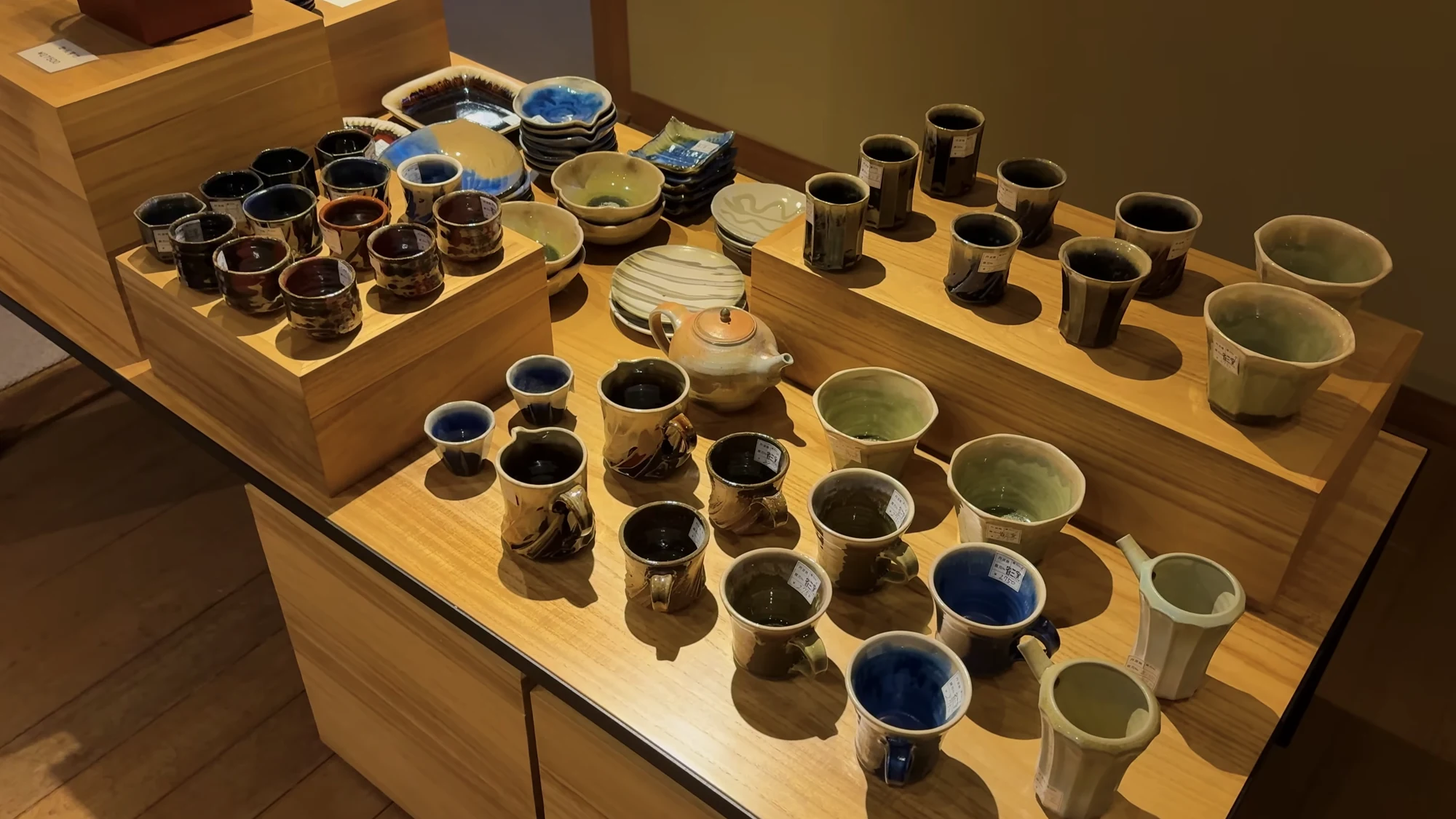
At this tier guests often choose their own cup for the stay — the kind of detail the ordinance leaves room for.
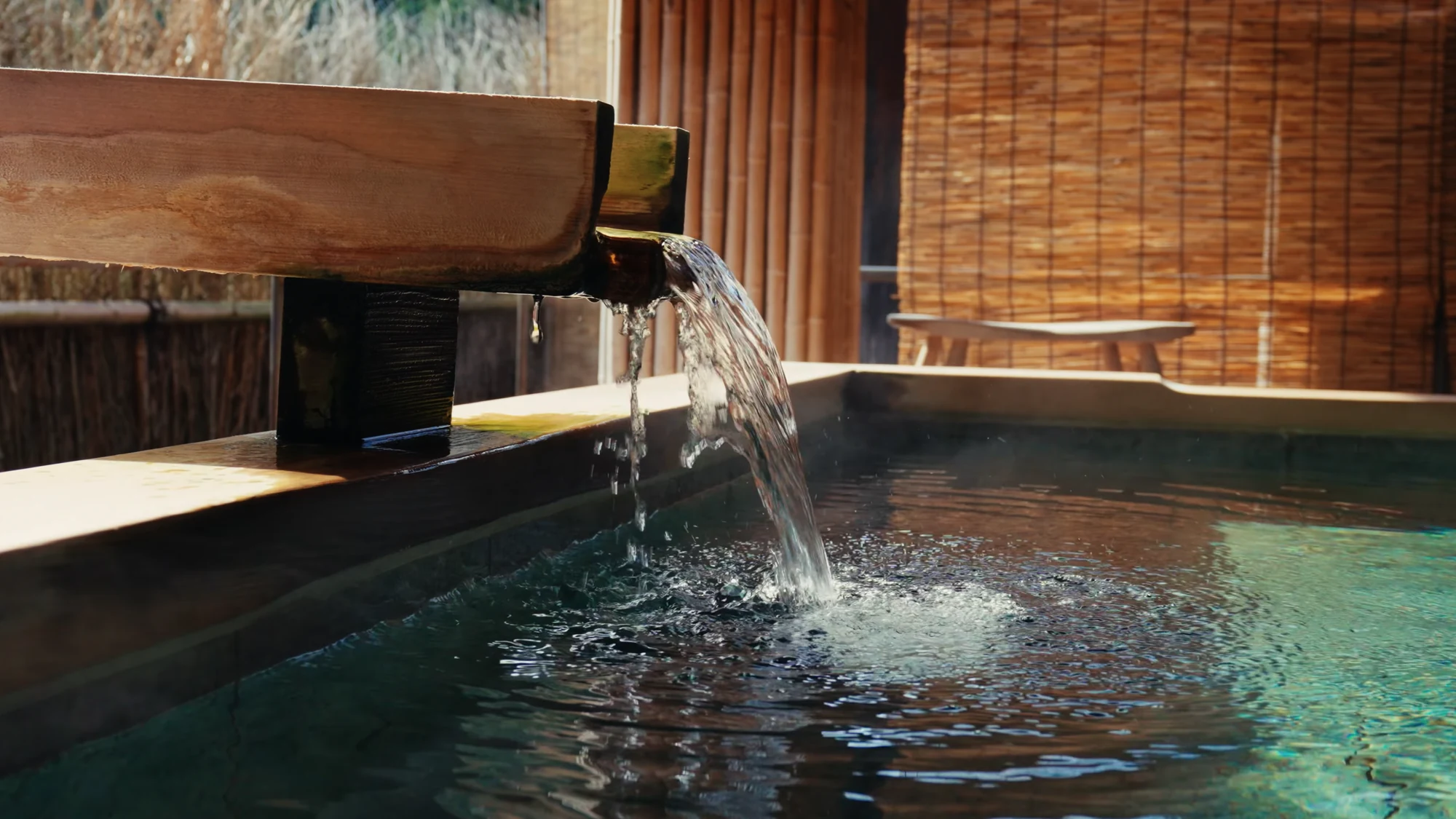
Confirm three things before booking at this tier: the crab grade, the dinner setting, and whether the private bath is bookable.
The honest verdict
If the budget allows one grand ryokan night in Japan, Kinosaki is an excellent place to spend it, and Nishimuraya Honkan is the spend. If the budget allows comfort but not grandeur, the town's structure is on your side: a mid-range canal house plus the free bath circuit plus one spectacular crab dinner delivers ninety percent of the experience at forty percent of the price, which is why our main stay guide exists. Luxury here is real, but it is a layer on a town that is generous by default, choose it for the layer, not from fear of missing the town. One more frame for the decision, because it is the one the town itself would use: in Kinosaki, luxury is a private layer on a public treasure, and the proportion matters. Spend the premium if the layer — the in-room dinner, the garden, the midnight tub — is genuinely your trip; skip it without guilt if the town is your trip, because the ordinance has already guaranteed that the best of Kinosaki was never for sale to the highest bidder. That proportion — private layer, public treasure — is also the test for whether this town's luxury will satisfy you at all, and it is worth applying before you book rather than after the invoice does it for you.
Why the top tier here is quiet: the ordinance again
Every luxury market is shaped by what its buyers cannot get elsewhere; Kinosaki's is shaped by what its sellers cannot build. The municipal ordinance that caps inn baths — the same law behind the town's free seven-bath pass — quietly forbids the arms race that defines luxury in other onsen towns: no ever-larger panoramic rotenburo, no bath-as-spectacle one-upmanship, no tower with an infinity edge. Whatever a Kinosaki inn wants to charge a premium for, it must be something other than the water. That constraint, held for generations, produced the specific luxury this page describes. The top houses poured their ambition into the four channels left open — architecture, gardens, kitchens, service — and became, in effect, great restaurants and great buildings that also sleep you, rather than bathing resorts. It is why the Honkan's fame is its kaiseki and corridors; why Koman sells thirteen centuries of continuity; why even the modern Shogetsutei competes on space and table rather than tubs. The private baths that do exist are deliberately small — a cypress tub for two is the legal ceiling of indulgence — which is why they read as intimate rather than grand, and why travellers seeking spectacle-scale private bathing should honestly choose a different town. For the right traveller this is the best deal in Japanese luxury: the premium buys craft rather than plumbing, and the town's actual crown jewels — seven public houses and their shared water — come free with the cheapest room in town, which keeps every luxury price honest. A Kinosaki grand house cannot charge you for the main event. It can only charge you for doing everything around the main event beautifully, and the good ones have had a century of practice.
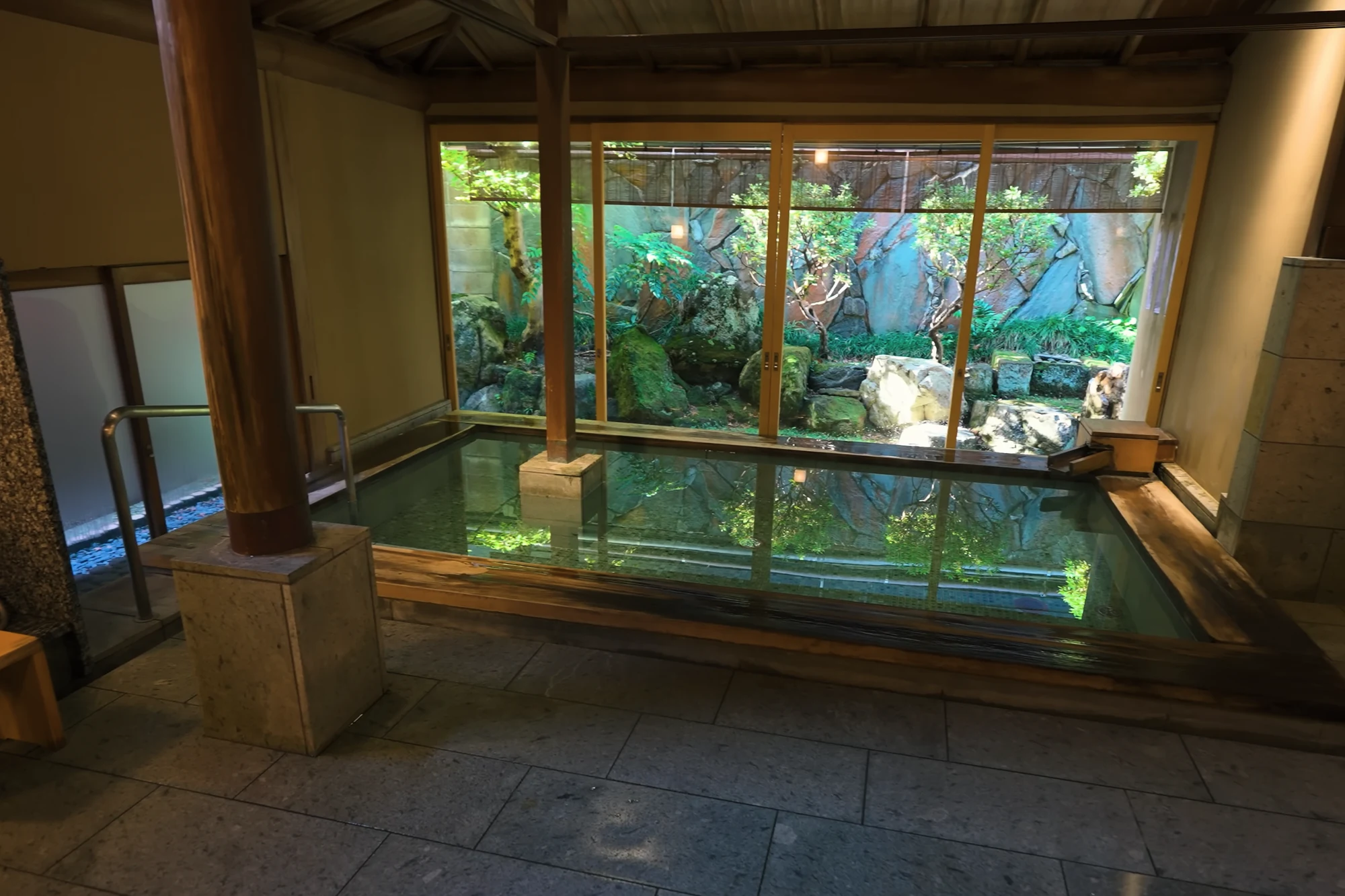
The top tier is quiet because the ordinance removed the one thing luxury usually competes on.
Frequently asked questions
What is the best luxury ryokan in Kinosaki Onsen?
How much does a luxury ryokan in Kinosaki cost?
Is a luxury ryokan worth it when the public baths are free?
When should I book for crab season?
Are there luxury ryokan with private onsen in Kinosaki?

Verified by The Japan Onsen Society
Drafted June 12, 2026; the ordinance framing and founding-record context verified September 22, 2026. Primary Japanese sources:
外湯めぐり発祥の地!温泉天国★城崎温泉 — 豊岡市観光公式サイト (Toyooka City Official Tourism Site — the 内湯 cap that shaped the luxury market): [https://toyooka-tourism.com/recommend/onsen/kinosaki_sotoyu/](https://toyooka-tourism.com/recommend/onsen/kinosaki_sotoyu/)
城崎の歴史 — 城崎温泉観光協会 (Kinosaki Onsen Tourism Association — the 717/720 founding record and 開湯1300年 behind Koman's claim): [https://kinosaki-spa.gr.jp/about/history/](https://kinosaki-spa.gr.jp/about/history/)