Kinosaki on a budget: cheap beds, the same seven baths
You can sleep cheaply in Kinosaki and still bathe in all seven. The baths are not the expensive part.
Quick answer
Kinosaki is one of Japan's best onsen towns to do cheaply, because its defining experiences are communal: the seven public bathhouses (free with any stay), the yukata and geta (provided by every inn), and the lantern-lit streets (free to everyone in them). Budget houses, small family ryokan, pensions and guesthouse-style inns, run roughly ¥12,000–15,000 (about US$80–100) per person with two meals, and less room-only. What the floor gives up is polish and in-room plumbing, never the springs. Crab season raises every tier; October and early summer are the budget sweet spots. ⚠️ verify current bands.
Overview
Most destinations punish budget travelers by fencing off the headline experience. Kinosaki's economics run the other way: the town's crown jewels are municipal, and the yumepa pass that opens all seven bathhouses comes free with the cheapest bed in town exactly as it does with the grandest suite. That makes the budget question here unusually pleasant, you are optimizing comfort, not access, and this guide is about doing that optimization intelligently: where the cheap beds are, which compromises are real, and the two or three places not to economize. The structural reason deserves a name, because it is the whole page in one fact: a municipal ordinance caps the size of every inn's private bath, precisely so the seven public bathhouses stay the centre of town life. That law is usually described as heritage policy; read it as a budget traveller and it is a price control on the only thing that matters. The town legislated its main event into the commons, and no premium anywhere on the rate card can buy a better version of it. The tone throughout is therefore unapologetic, because the town's own structure is on your side: this is not budget travel as consolation prize — it is the full product with the garnish declined, and the receipts below prove it line by line. Read it once before booking and the whole tier stops feeling like a compromise and starts feeling like the town's best-kept open secret, which is what it is.
What the budget tier actually looks like
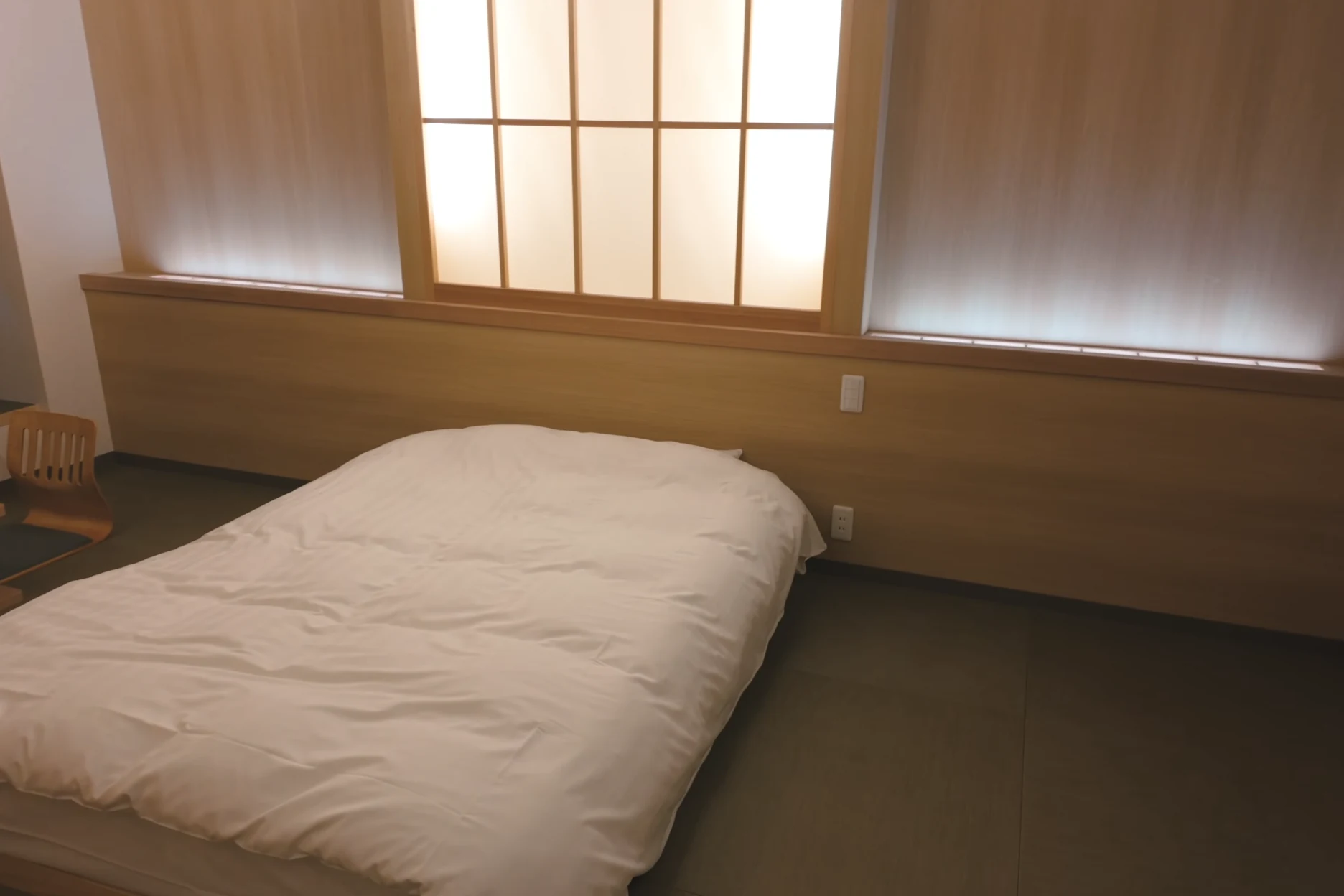
Three flavors. Small family ryokan, the backbone of the tier: a handful of tatami rooms, futon bedding, shared toilets at the cheapest, dinner and breakfast cooked by the owners, and the same check-in ritual, yukata, pass, dressing help, as anywhere in town. Pension and guesthouse-style inns, often toward the station end: simpler rooms, sometimes Western beds, frequently room-only or breakfast-only plans, the right base for travelers eating crab à la carte in town instead. And off-peak deals at mid-range houses, the quiet third option: in October or post-Golden-Week May, canal-center inns drop to near-budget rates, and the same yen buys a notch more house. ⚠️ verify representative properties and bands before publish; this tier's inventory shifts most. The honest compromises: thinner walls, earlier rhythms, shared facilities at the floor, less English at the smallest houses (booking platforms bridge this), and dinners that are good home-style kaiseki rather than kitchen artistry. None of these touch the town itself, which is the purchase. One selection filter beats all others at this tier: distance to your preferred morning bathhouse. With rooms this simple, the inn's real amenity is its address, and a plain family house two minutes from a 7:00 door out-delivers a prettier one ten minutes away — you will use that proximity twice a day, and it is free. The tier's real variance is the kitchen: at the same price one family inn serves a memorable home kaiseki and another serves an adequate one, and reviews mentioning dinner specifics are the reliable sorting signal.
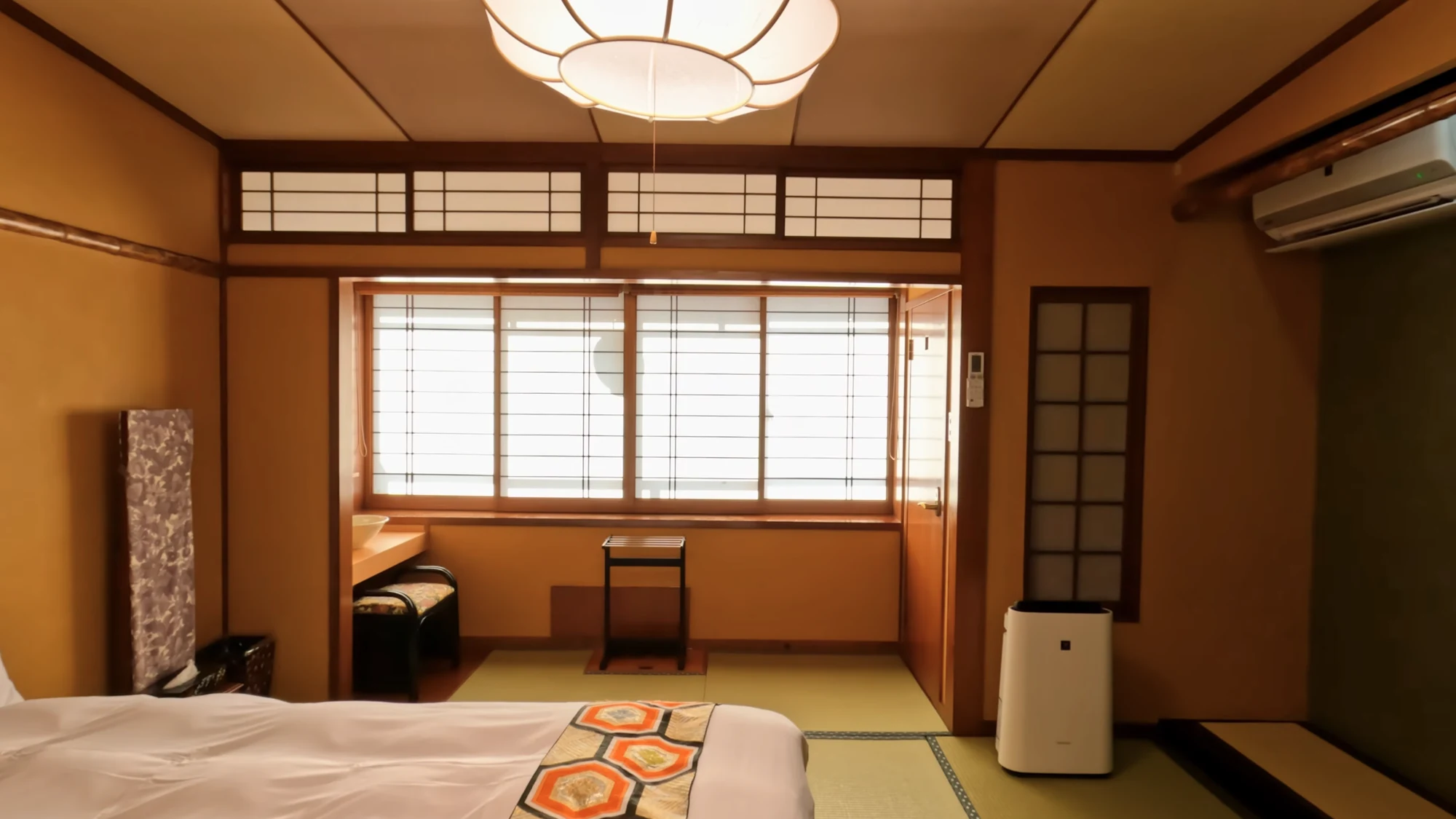
Roughly ¥12,000–15,000 per person with dinner and breakfast; room-only starts well under ¥10,000. ⚠️
The budget crab strategy
Crab season is where budget plans usually die, and Kinosaki offers a famous workaround: sleep cheap, eat the crab à la carte. From November to March the main street's restaurants serve Matsuba crab sets at lunch and dinner for a fraction of a famous house's crab kaiseki, and a budget room plus one serious crab lunch beats a mid-range room with no crab at all. The reverse strategy also works: book the budget house's own crab plan, most offer one, where the same tagged crab arrives with less ceremony and a much smaller bill. Either way, book early; the season books every tier in town. ⚠️ verify restaurant landscape at publish. Put numbers to the workaround so the scale is clear: a famous-house crab kaiseki plan can run ¥50,000+ (about US$330+) per person in season, while a main-street Matsuba crab set at lunch runs a fraction of that — and it is the same tagged, certified local crab, landed at the same ports, minus the ceremony and the room. The budget crab traveller in Kinosaki is not settling; they are unbundling — separating the crab from the suite and paying only for the part they came to eat. Timing sharpens it further: the late-season weeks of March serve the same crab at the year's softest in-season rates, and the closing-weekend station event — free crab zōsui and barrel sake in 2026 — is the budget crab trip's ceremonial finish, at the correct price of zero. ⚠️ Verify the event's dates yearly.
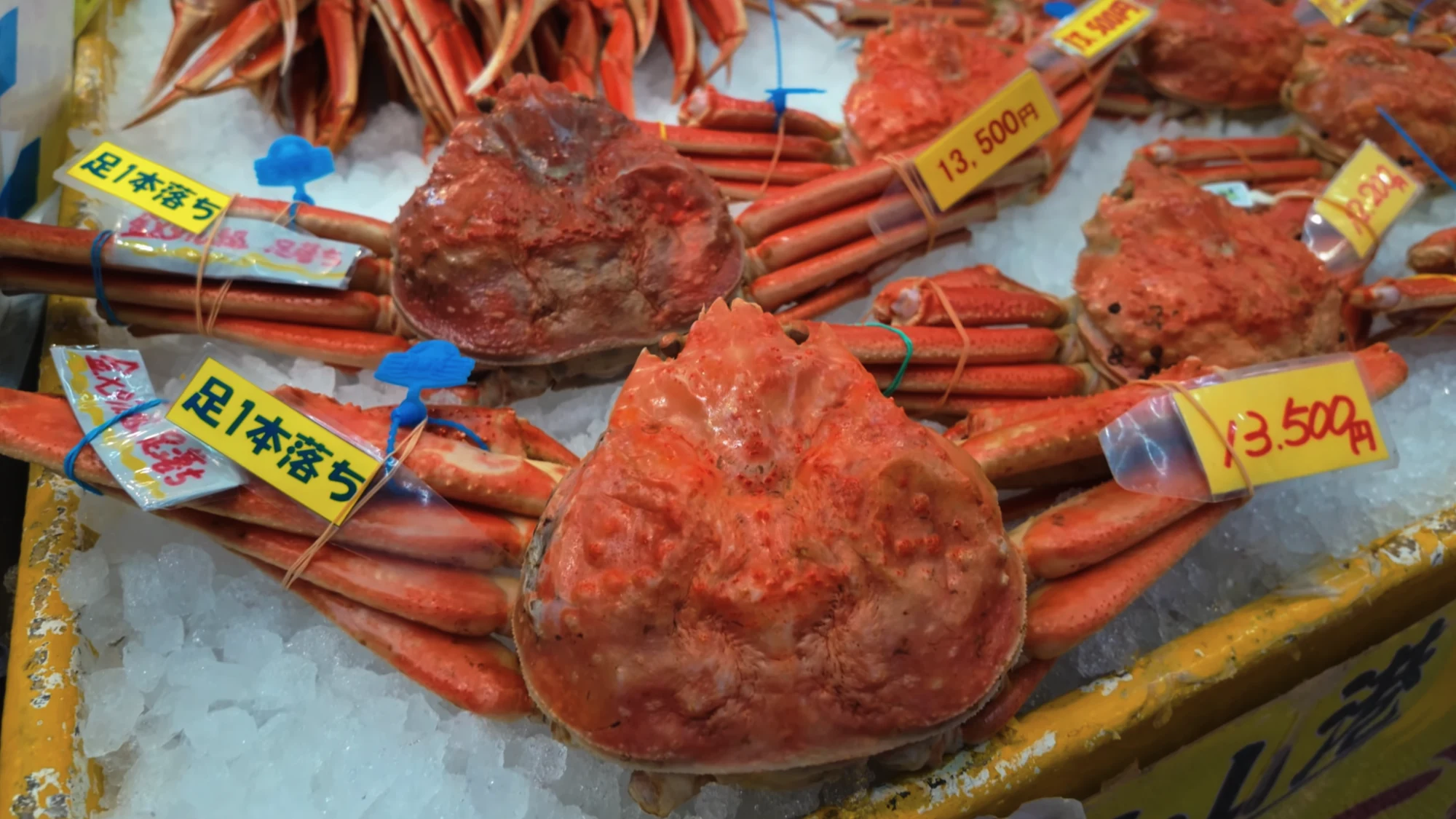
The budget crab strategy is to eat it on the street at lunch rather than buy it into the room rate. ⚠️
Where to economize, and where never to
Economize freely on the room (you will be in the baths), on the room's plumbing (you will be in the baths), and on the calendar (October buys the whole town at a discount). Never economize on these three: the overnight itself, a day trip to save the room rate forfeits the pass, the lantern evening and the morning baths, which is the entire point; the dinner decision, choose either a meal plan or a researched restaurant, but do not arrive at 7 PM with no plan in a town where inns feed their own first; and footwear-to-bath logistics in winter, when the provided geta plus tanzen coat handle the cold but flip-flops do not. A fourth never-economize, learned the hard way by every generation of budget travellers here: the booking lead time. The cheap tier is the smallest inventory in town, and in crab season it sells out not because demand is highest but because supply is thinnest — the savvy budget move is booking as early as the luxury crowd, then spending a tenth as much. The common thread in all four: economize on what the ordinance already equalised, never on the things that determine whether you experience the town at all. The room is a place to sleep between baths; the calendar, the dinner plan and the lead time are the actual trip, and all three are decided before you ever leave home, at zero cost, from your sofa, with this page open in the other tab and the calendar in front of you.
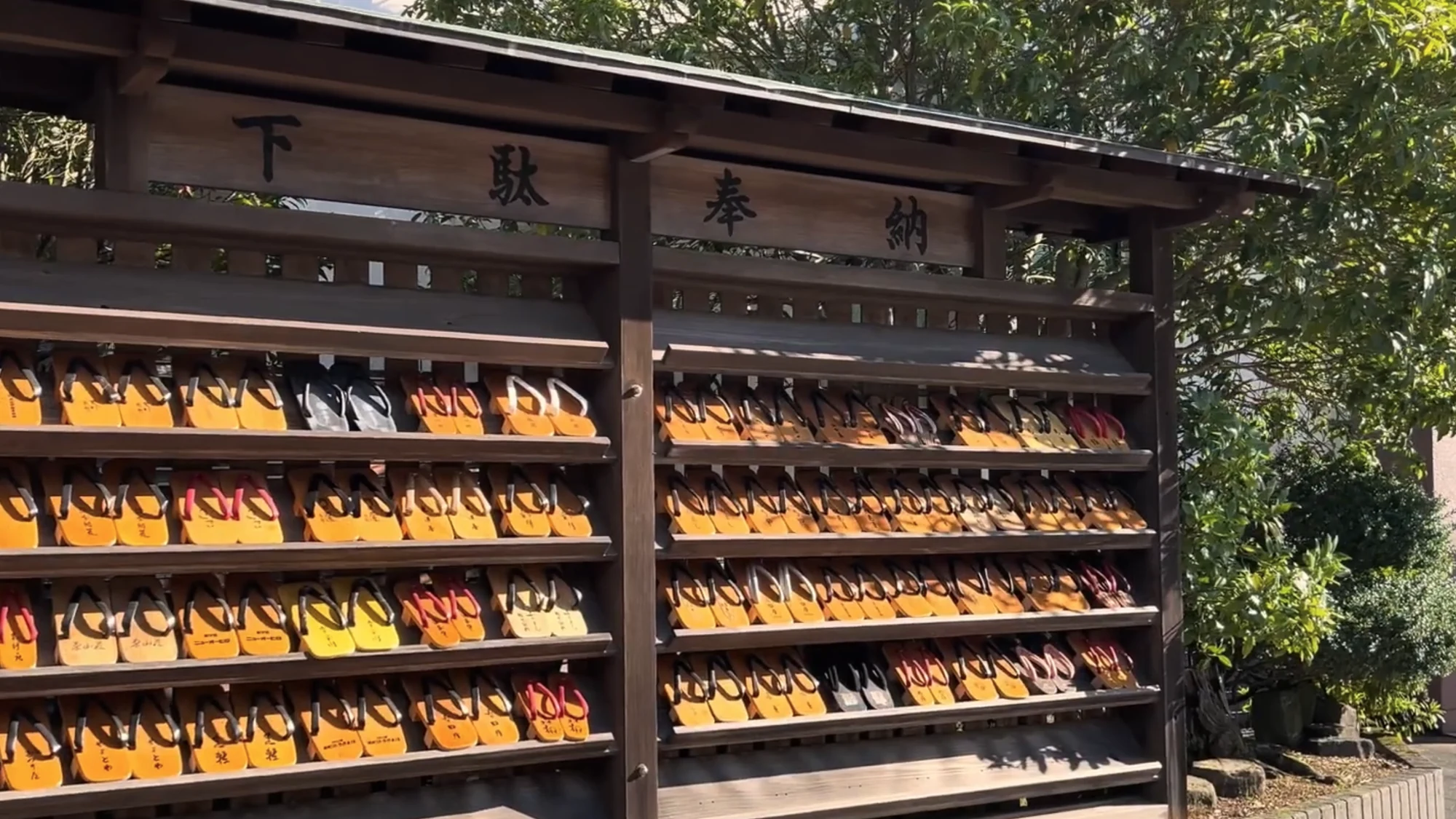
Economise on the room. Never economise on the night — a day trip forfeits the whole point.
A sample budget overnight, priced honestly
The shape, using round numbers to verify at booking ⚠️: room with two meals at a family inn, about ¥13,000 (about US$87). Trains from Osaka, about ¥12,300 (about US$82) round trip with reserved seats and no JR Pass (free with one). The seven baths: ¥0 with your pass. Yukata, geta, the lantern streets, the morning soak: ¥0. Onsen eggs, coffee, a beer on the canal: about ¥1,500 (about US$10). Total: roughly ¥27,000 (about US$180) per person all-in from Osaka, or about ¥15,000 (about US$100) with a rail pass, for the complete experience the posters sell. The same trip in crab season at a famous house runs four times that, and the water is the same temperature. Two upgrades stress-test the arithmetic without breaking it. Add one kashikiri private-bath hour (¥1,000–3,000 / about US$7–20, where offered) and the total barely moves while the trip gains its one private-water memory. Or add the crab lunch in season (⚠️ verify current set prices) and the budget overnight becomes the budget crab trip — the version of Kinosaki that costs a quarter of the famous-house weekend and photographs identically. Stress-test the shape against your own dates and only two lines move: the room (calendar-driven) and the trains (pass-driven). Everything else is either fixed or free, which is why budget planning for Kinosaki takes ten minutes and a calendar rather than a spreadsheet — the town did the hard optimisation a century ago and wrote it into law. The arithmetic's real lesson sits in its zeros: everything the town is famous for appears in the ¥0 rows, which is what a town-as-public-bath looks like on a receipt.
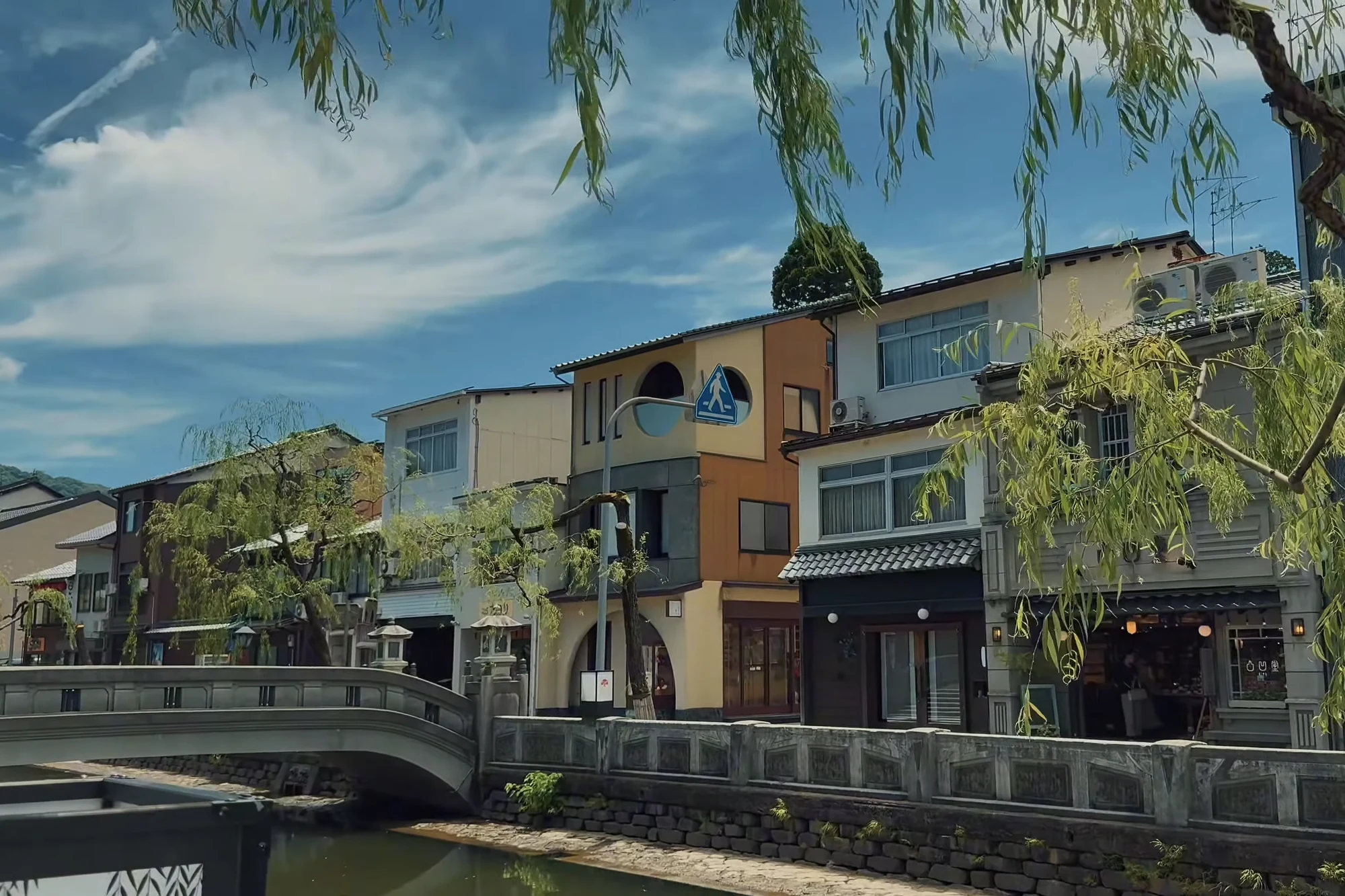
October and the May–June midweeks are the soft windows: same baths, softest prices.
The ordinance is the budget traveller's best friend
In most famous destinations, budget travel is managed exclusion: the cheap bed is across the river from the sight, behind the paywall, outside the club. Kinosaki inverted this by statute. The ordinance that caps inn baths means no ryokan — at any price — can privatise the town's bathing; the seven sotoyu belong to everyone with a pass, and every overnight guest has one. The result is the rarest thing in travel economics: a headline experience that is structurally identical at ¥12,000 (about US$80) and ¥120,000 (about US$800) a night. Walk the evening circuit and the equality is visible. In the changing baskets of Goshono-yu, the yukata of the grandest houses hang beside those of the station-end pensions, indistinguishable to anyone who cannot read the inn crests — and inside the water there are no crests at all. The lantern streets, the geta clatter, the morning mist on the canal: none of it is ticketed, none of it tiered. What the luxury guest bought upstream — the dinner, the garden, the private tub — stays upstream; the town itself arrives unbundled and identical. This is why we call Kinosaki one of Japan's best onsen towns to do cheaply, and the claim is structural rather than sentimental. Budget travel fails where the good stuff is private; it succeeds where the good stuff is public, and this is the town that wrote the good stuff into the commons a century ago and has defended it — through an earthquake, a tourism boom and every renovation cycle since. Book the cheapest bed on the street, and the street is still entirely yours.
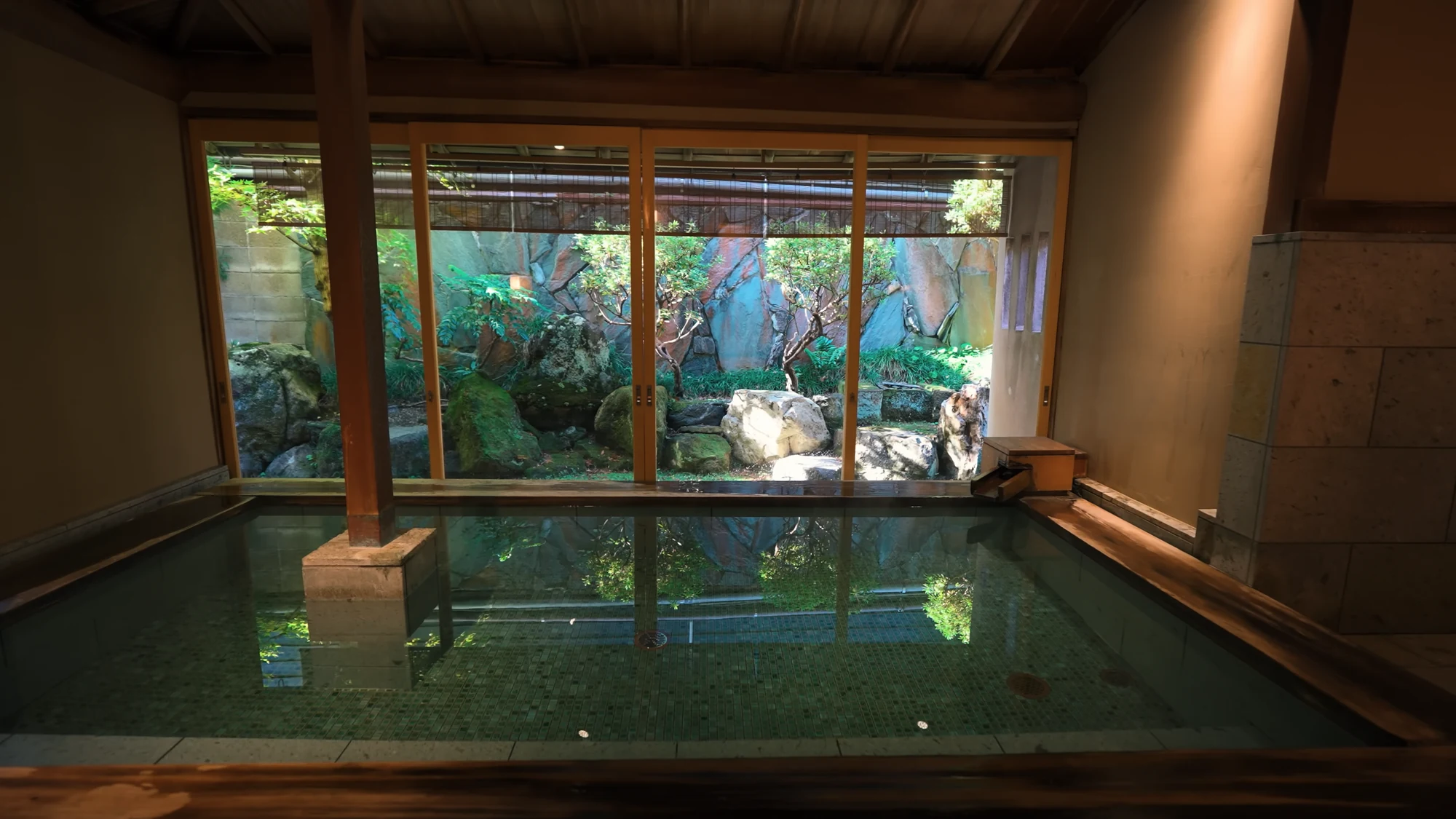
The ordinance is the budget traveller's ally: the cheapest room in town shares the grandest bath.
Booking the budget tier from abroad
The cheap tier is the trickiest to book internationally, for mechanical rather than linguistic reasons: the smallest family houses list on fewer platforms, sometimes only on the town's own vacancy search, and the international sites label them inconsistently — "guesthouse," "inn" and "ryokan" scatter across identical properties. Two habits solve it. Search the association's own booking channel first, where the whole town's inventory sits in one place; and read room plans by their meals rather than their titles, since "with 2 meals," "breakfast only" and "room only" are the real product tiers at this price. Reading the amenity lines correctly saves the classic disappointments. "Shared bathroom" at a Kinosaki budget house means shared toilet and sink — your actual bathing happens at the seven public houses anyway, which is the entire town design — so the line costs far less here than it would anywhere else in Japan. "No private bath" costs literally nothing. What to actually check: dinner plan availability in crab months, whether the house lends the full yukata kit (nearly all do; the cheapest few lend on request), and the closing day of the bathhouse nearest your door. ⚠️ Verify kit-lending phrasing against representative properties at publish. The last reassurance is the town itself. Kinosaki's budget houses have been receiving foreign guests on cheap overnights for as long as the trains have run, the front desks handle simple English and simpler gestures with equal grace, and the pass they hand you at check-in is the same one the grand houses issue. From that moment the booking tier stops mattering, which was the ordinance's point all along.
Frequently asked questions
Can you do Kinosaki Onsen on a budget?
What is the cheapest way to stay in Kinosaki?
Is the cheap accommodation far from the baths?
Can budget travelers eat Matsuba crab?
What do you give up at the budget tier?

Verified by The Japan Onsen Society
Drafted June 12, 2026; the ordinance framing, prices and the season-closing event verified September 22, 2026. Primary Japanese sources:
外湯めぐり発祥の地!温泉天国★城崎温泉 — 豊岡市観光公式サイト (Toyooka City Official Tourism Site — the ordinance and pass system this page's economics rest on): [https://toyooka-tourism.com/recommend/onsen/kinosaki_sotoyu/](https://toyooka-tourism.com/recommend/onsen/kinosaki_sotoyu/)
外湯 — 城崎温泉観光協会 (Kinosaki Onsen Tourism Association — door and day-pass prices): [https://kinosaki-spa.gr.jp/about/spa/](https://kinosaki-spa.gr.jp/about/spa/)
イベント情報 — 城崎温泉観光協会 (the 2026 crab-season closing event): [https://kinosaki-spa.gr.jp/event/](https://kinosaki-spa.gr.jp/event/)