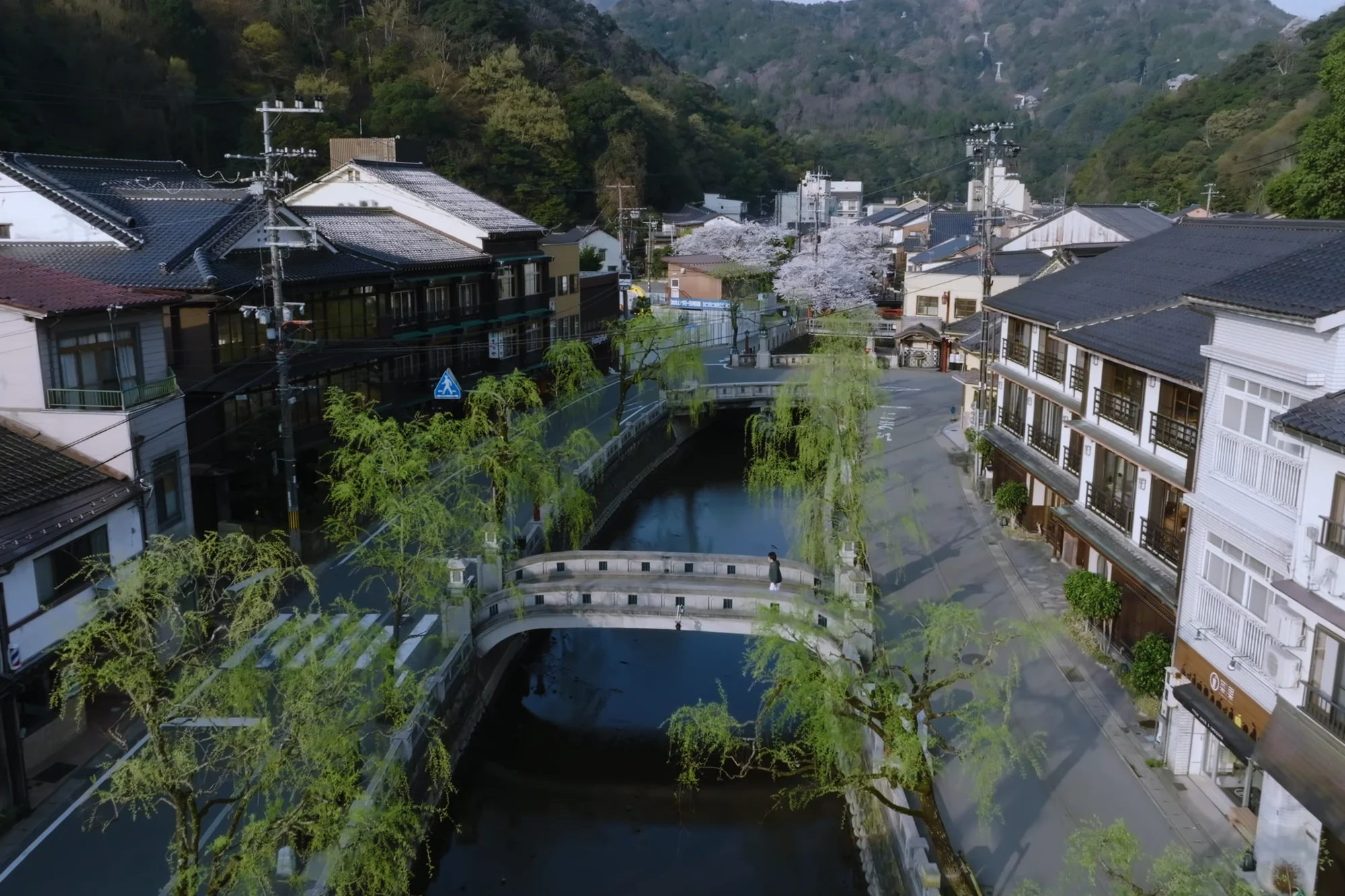
Overview
Kinosaki runs on a daily tide, day visitors from late morning to late afternoon, overnight guests before and after, and a good itinerary is just the art of being on the right side of it at each hour. The plan below is the canonical version, with exact timings, a bath order that respects both geography and your cardiovascular system, and the small moves that upgrade a good overnight into the one you describe to strangers. It assumes Osaka or Kyoto as your starting point and works identically in every season; the seasonal notes at the end adjust for crab, blossom and summer. One 2026 recalibration first: with Kou-no-yu closed for renovation until about November 2026 and Satono-yu closed since April 2024, the open circuit is five houses — which, at this itinerary's pace of five or six baths, means the overnight now completes the entire open set. The "perfect" in the title is doing less work than it used to; the town has temporarily made completeness achievable, and the schedule below takes the gift. Times use the town's posted hours as of September 2026 — Ichi-no-yu, Goshono-yu and Jizō-yu from 7:00 (7 am), Mandara-yu and Yanagi-yu from 15:00 (3 pm), all to 23:00 (11 pm) with last entry thirty minutes before — and every perishable carries a ⚠️ so you can re-check the handful that move. It also assumes nothing about your onsen experience: first-timers can run this schedule unmodified, because the town was built for exactly that, and every desk in it has taught the ritual a thousand times. Veterans of other onsen towns should suspend one habit here: the inn is not the destination, the street is, and the schedule treats it accordingly.
Before you go: three bookings and one check
Book the room dinner-inclusive: kaiseki at your inn is a third of the experience, and the town's independent evening options thin out fast once the inns begin serving. (Crab season, November to March, needs three to six months of lead time at the famous houses; see our where to stay guide for which.) Reserve your train seats, free with the JR Pass: the Kounotori from Osaka (~2h40m) or the Limited Express Kinosaki from Kyoto (~2h20m, only ~5 direct daily, choose first). And the check: the seven bathhouses each close one day a week on a rotating calendar, so glance at the town's posted schedule the week of travel and adjust the bath order below around what is open. ⚠️ verify current rota source at publish. Two calendar checks upgrade the booking. If your dates are flexible, aim the overnight at a festival: the 温泉まつり (Onsen Matsuri) runs every April 23–24, and the autumn festival fills two mid-October days (October 14–15 in 2026) with the Seri float clash at sunset in front of Ichi-no-yu — the town at maximum volume, at soft-season prices. ⚠️ Re-verify autumn dates yearly. And budget the train correctly: about ¥6,140 (about US$41) reserved-seat one way from Osaka, covered entirely by the JR Pass — reserve seats early in crab season, when the expresses fill with the same people booking the inns. Total pre-trip admin: two bookings, one seat reservation, one glance at the rota — the town, which has been receiving overnight guests for thirteen centuries, handles everything else on arrival. Nothing on the list requires Japanese, and nothing requires more than ten minutes.
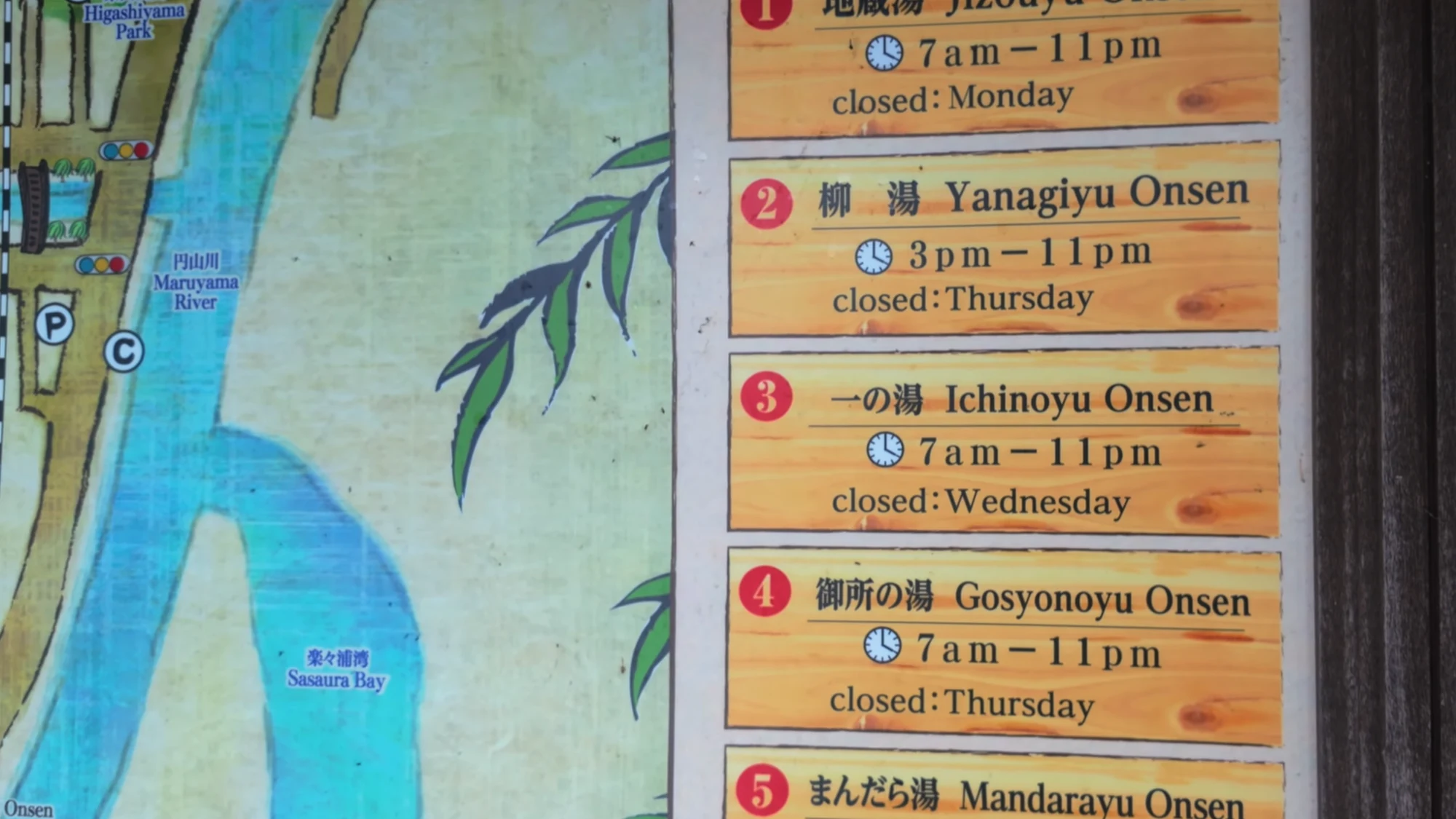
Three bookings and one check: the room, the dinner sitting, the train, and the closing-day rota.
Day one, late morning: the ride in
Take the late morning train, Osaka around 11:00, Kyoto similar, lunch bought in the station because the onboard options are minimal and Kansai station bento are an attraction in their own right. Sit right side from Kyoto for the Hozukyo gorge, right side from Osaka for the Maruyama river country at the end. You arrive at Kinosaki-Onsen Station between 1:30 and 2:30, which is precisely on time. On arrival, three small rituals before the inn. The station fronts straight onto the town — no bus, no taxi-rank drama, three minutes of walking and you are in it. First, the 飲泉所 (insenjo, drinking fountain) directly at the station front: taste the roughly 57°C (135°F) mineral water the whole town bathes in, and you have met the product before checking in. Second, the luggage counter and lockers are immediately obvious if you are early. Third, resist the first crab shop — better ones line the canal. If your train lands before 14:00, note the split hours: the three morning houses have been running since 7:00, while Mandara-yu and Yanagi-yu open at 15:00 — and since the pass works from the moment of check-in, early arrivals can legally start the circuit before the room is even ready. One seat note for the ride itself: the last stretch runs the Maruyama river valley into town, and the water widening beside the train is the itinerary's opening shot — put the phone away for the final ten minutes and let the valley announce the town the slow way, willows first, steam second.
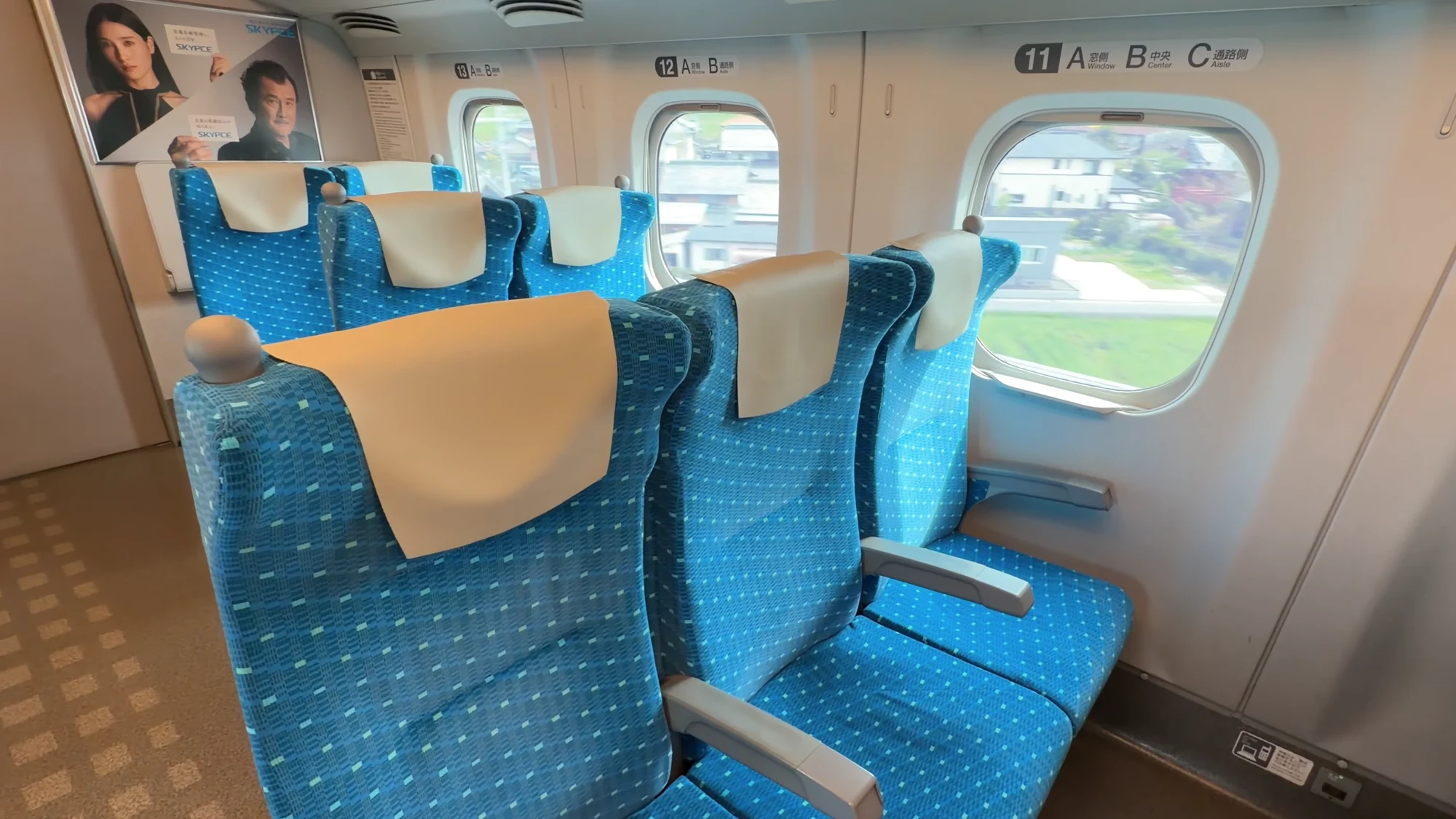
Reserve rather than queue: in crab season the direct services fill from Osaka and Kyoto.
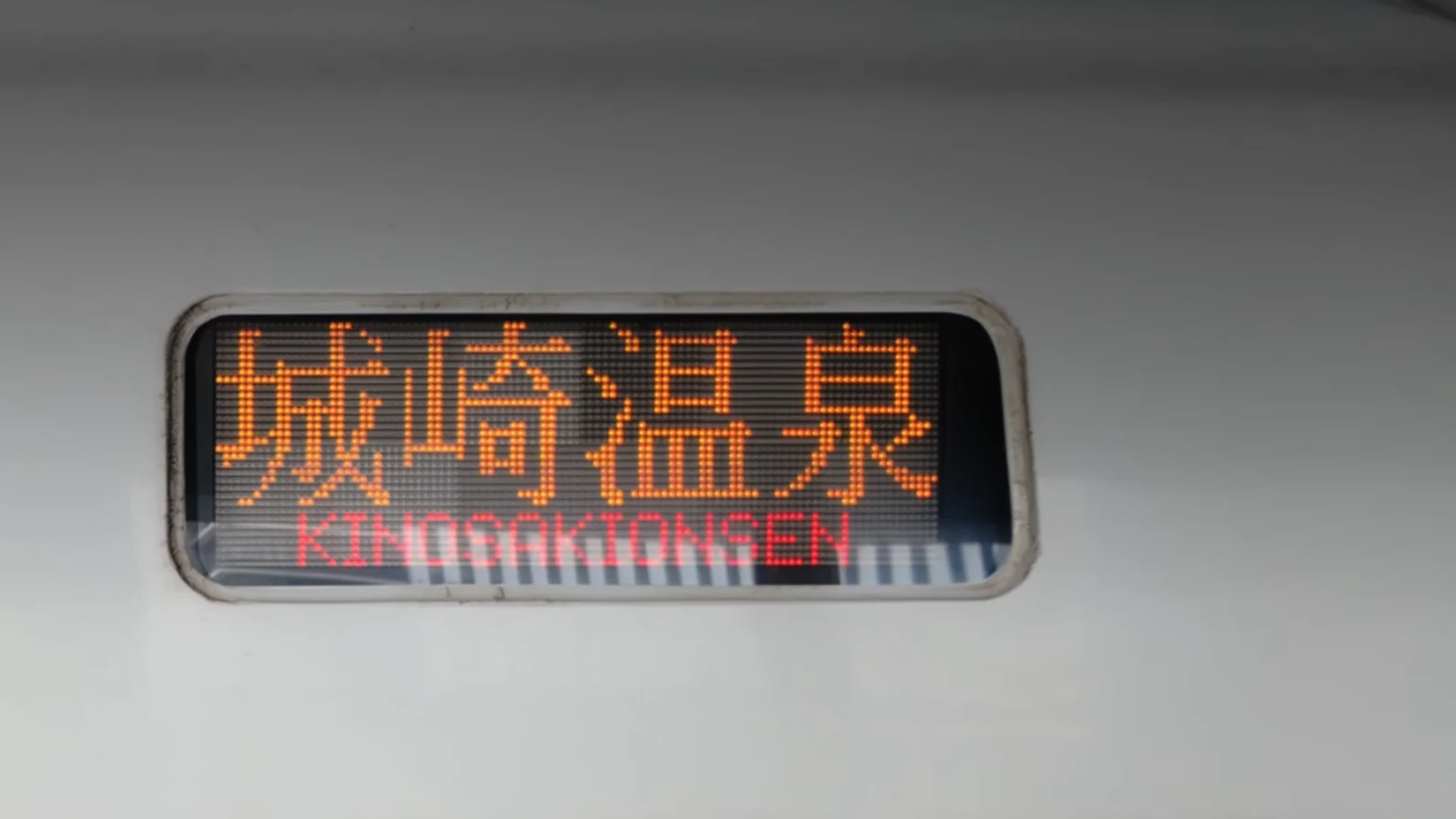
The terminus display carries the full name; the Kyoto service runs simply as Kinosaki.
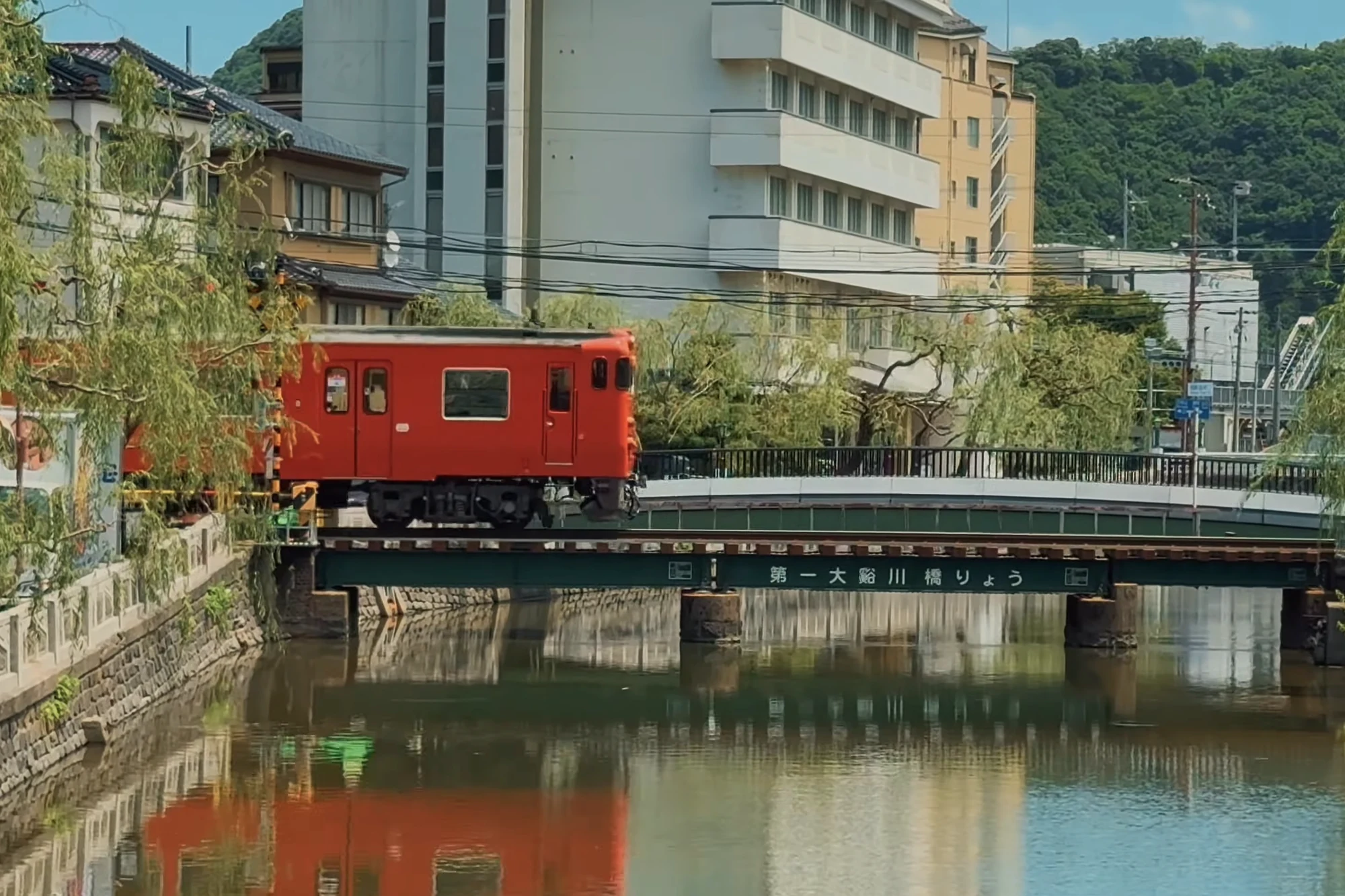
The line crosses the town's own river before reaching a platform three minutes from the bath street.
Day one, afternoon: arrival ritual
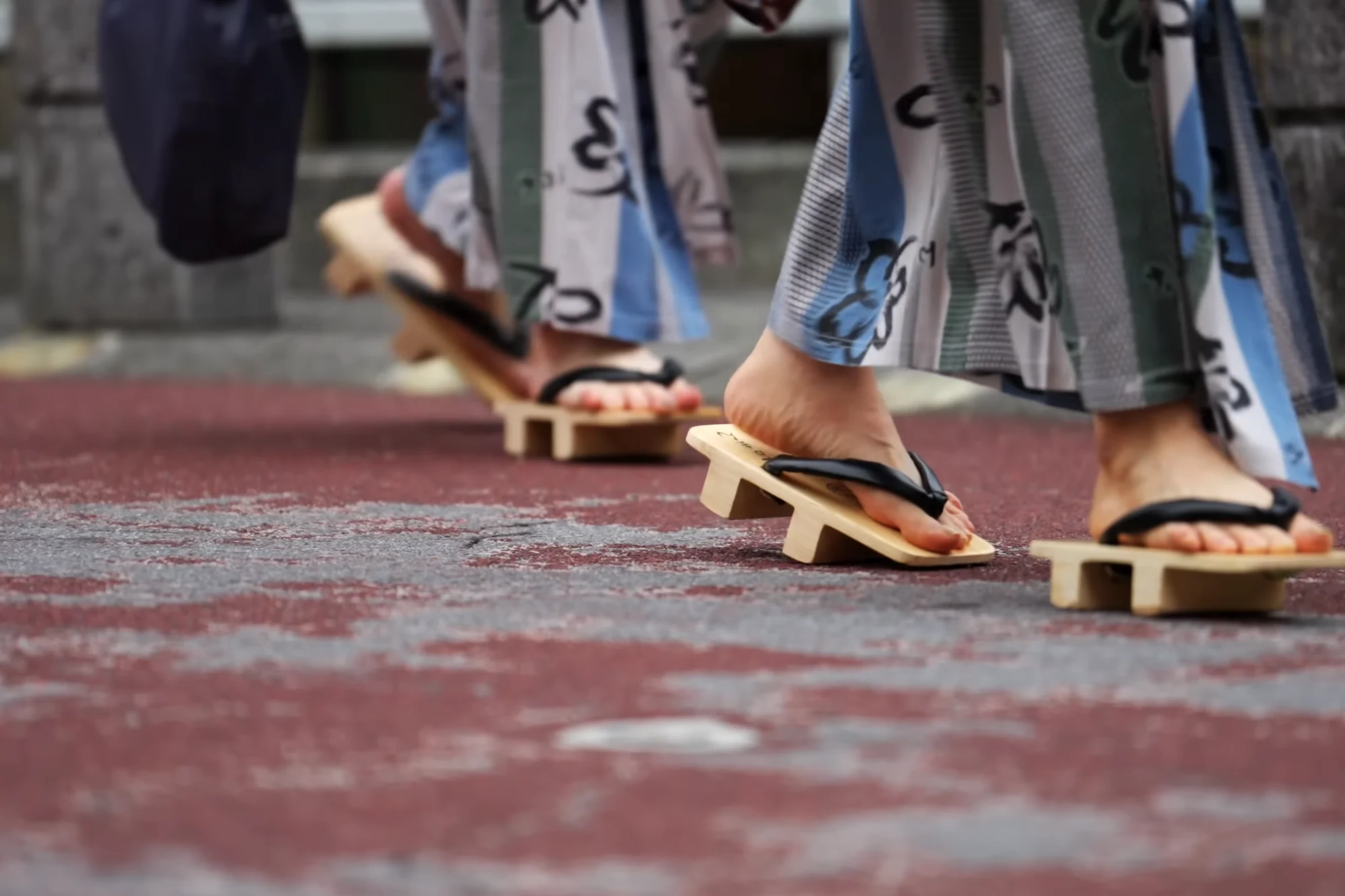
Forward your big luggage to the inn from the station counter (a few hundred yen) or let the inn's shuttle take it, then walk the main street up the canal: ten minutes that function as the town's opening credits, willows, bridges, crab shops in winter, geta clatter already audible. Check in around 3:00, yukata on, dressing help from the front desk if the obi defeats you, and take bath one immediately while the day is warm and your standards are fresh: Goshono-yu, the waterfall open-air showpiece, or Ichino-yu's cave bath. One bath, not two: the evening needs your core temperature in reserve. The hour before dinner belongs to the streets, onsen eggs from the source basins, the spent-tegata shrine, ice cream against all seasonal logic, and the day visitors' tide already ebbing toward the station. A spotting detail for the walk: look for the 城崎温泉天然温泉配湯の証 — the town's natural hot-spring certificate, posted since December 2023 at facilities using the real municipal water — a small plaque that answers the "is it actually onsen?" question before you ever ask it. And if your obi has loosened by the third bridge, that is normal; every inn reties it, free and judgment-free. Budget the arrival hour honestly too: check-in paperwork, yukata fitting and the first dressing lesson run twenty minutes at most inns, and rushing them costs more than it saves — the whole point of arriving at 14:30 instead of 16:30 is precisely that nothing after it — bath, dinner, lanterns — ever needs to hurry. Consider the fitting a covered attraction, not a queue.
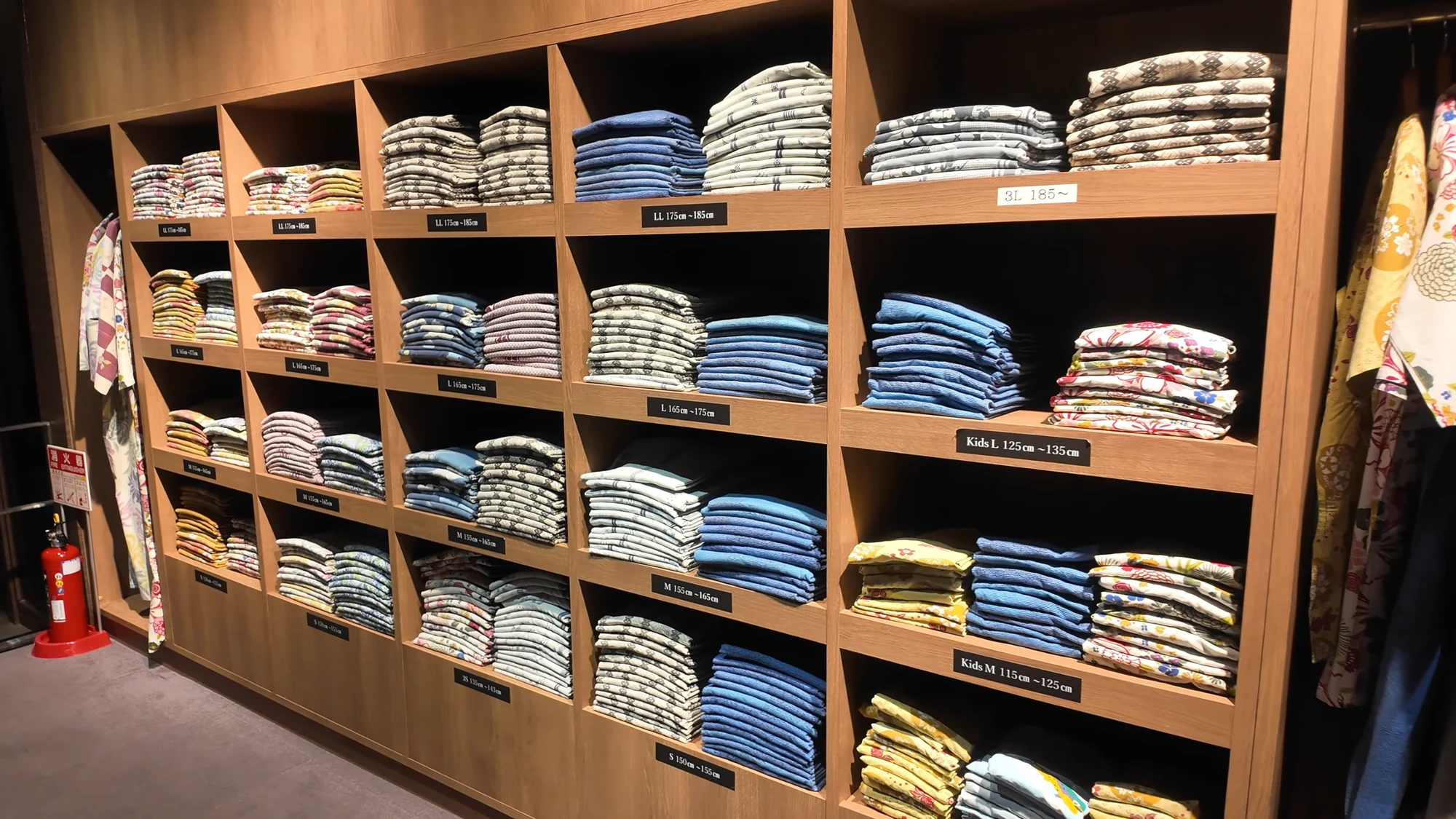
The arrival ritual is check in, change, take the pass, and go straight out before dinner.
Day one, evening: the part that requires a room key
Dinner at 6:00 or 6:30, and give it the full ninety minutes; in crab season this is the event the whole region books around, and even off-season the kaiseki is the kitchen's argument for your room rate. Then the itinerary's heart: the lantern circuit. From roughly 8:00 the canal is lit, the streets belong to yukata, and you bathe through two or three of the smaller houses at a stroller's pace: Yanagi-yu for its scalding little tub, Jizo-yu for the local room, Mandara-yu if the spiritual origin point appeals and the rota allows. Between baths is the point, not the obstacle: the bridges at night are the town's best photograph and best bench. Last entries run toward 22:30; be horizontal by 11 with the window cracked to the river. ⚠️ verify last-entry times. Current hours make the evening generous: all five open houses run to 23:00 (11 pm) with last entry 22:30, and the two afternoon houses — Mandara-yu and Yanagi-yu — have been open since 15:00, so the origin-point bath fits the lantern circuit exactly as the schedule intends. On 夢花火 (Yume-Hanabi) fireworks evenings in summer, be on a bridge at 21:00: five minutes of sky, then the quietest half-hour of the night inside whichever house everyone else just left. ⚠️ Fireworks calendar re-sets yearly. If an hour must be cut from the evening, cut it from the middle, never the ends — the first bath sets the rhythm and the last lantern walk is the memory; the expendable part is the souvenir browsing in between.
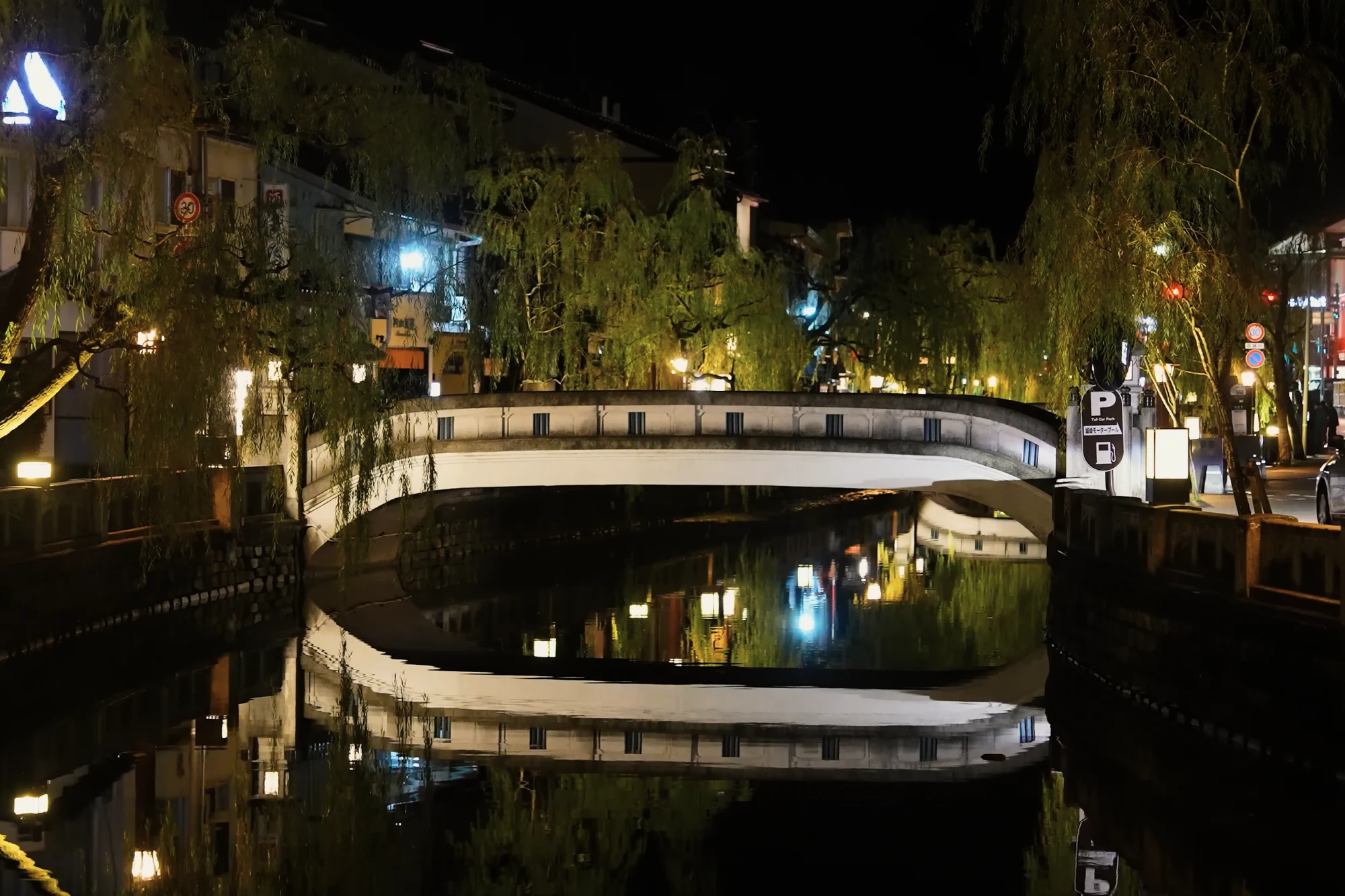
The evening circuit is the part a day visitor cannot have. It needs a room key and a yukata.
Day two, morning: the seal
Set an alarm you will forgive: 6:45. At 7:00 be at Goshono-yu for the opening-hour soak — mist on the waterfall garden, the town not yet awake, the single best thirty minutes Kinosaki currently sells. Ichi-no-yu and Jizō-yu open at 7:00 as well; Mandara-yu and Yanagi-yu do not open until 15:00, so leave them to the afternoons. (Kou-no-yu, the oldest house and the traditional holder of this hour, is closed for renovation, reopening expected November 2026 — when it reopens, its garden rotenburo reclaims the dawn slot.) Walk back along the canal in the morning light, breakfast at the inn at 8:00, and use the hours before checkout however the trip demands: the ropeway up to Onsenji to meet the temple that has overseen the waters for thirteen centuries, a sixth bath if you are completing the set, or nothing at all on the room's veranda. Check out by 11:00, board a late morning or midday train, and be back in Osaka or Kyoto by mid afternoon with the whole experience banked. If you bathed Goshono-yu the evening before, the morning swap is Ichi-no-yu's cave, which echoes differently when empty. Either way the walk back matters as much as the bath: the canal at 7:40, steam on the water and the shops still shuttered, is the photograph the evening crowds cannot take. And before the train, one last use of the pass: it runs to 13:00 at most inns, so a post-checkout soak — bags at the desk — is not a luxury but the system working as designed. The itinerary technically ends at the platform; it really ends in the water.
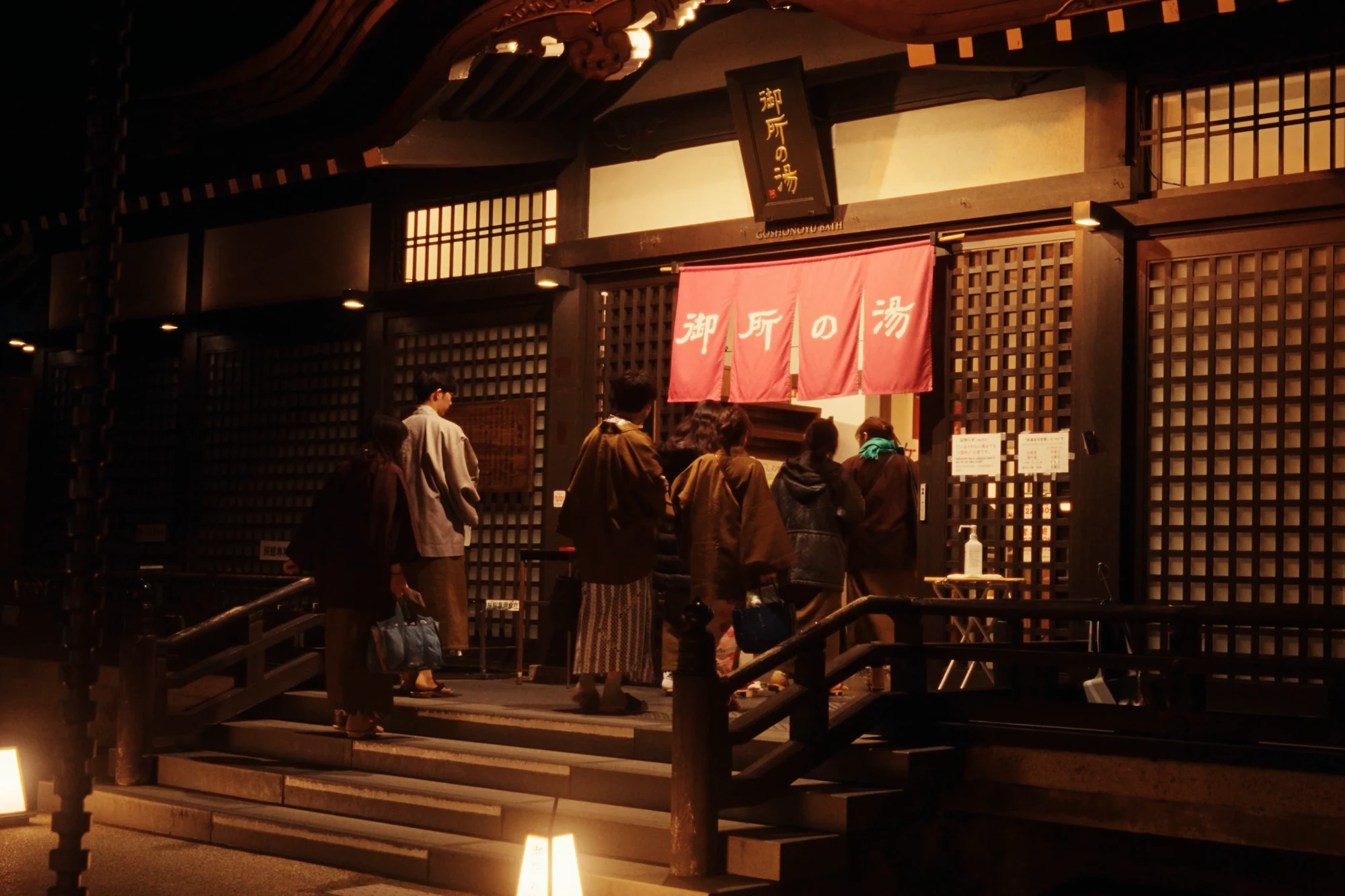
The morning bath seals it: three houses open at 7am, and the streets belong to residents.
Seasonal adjustments
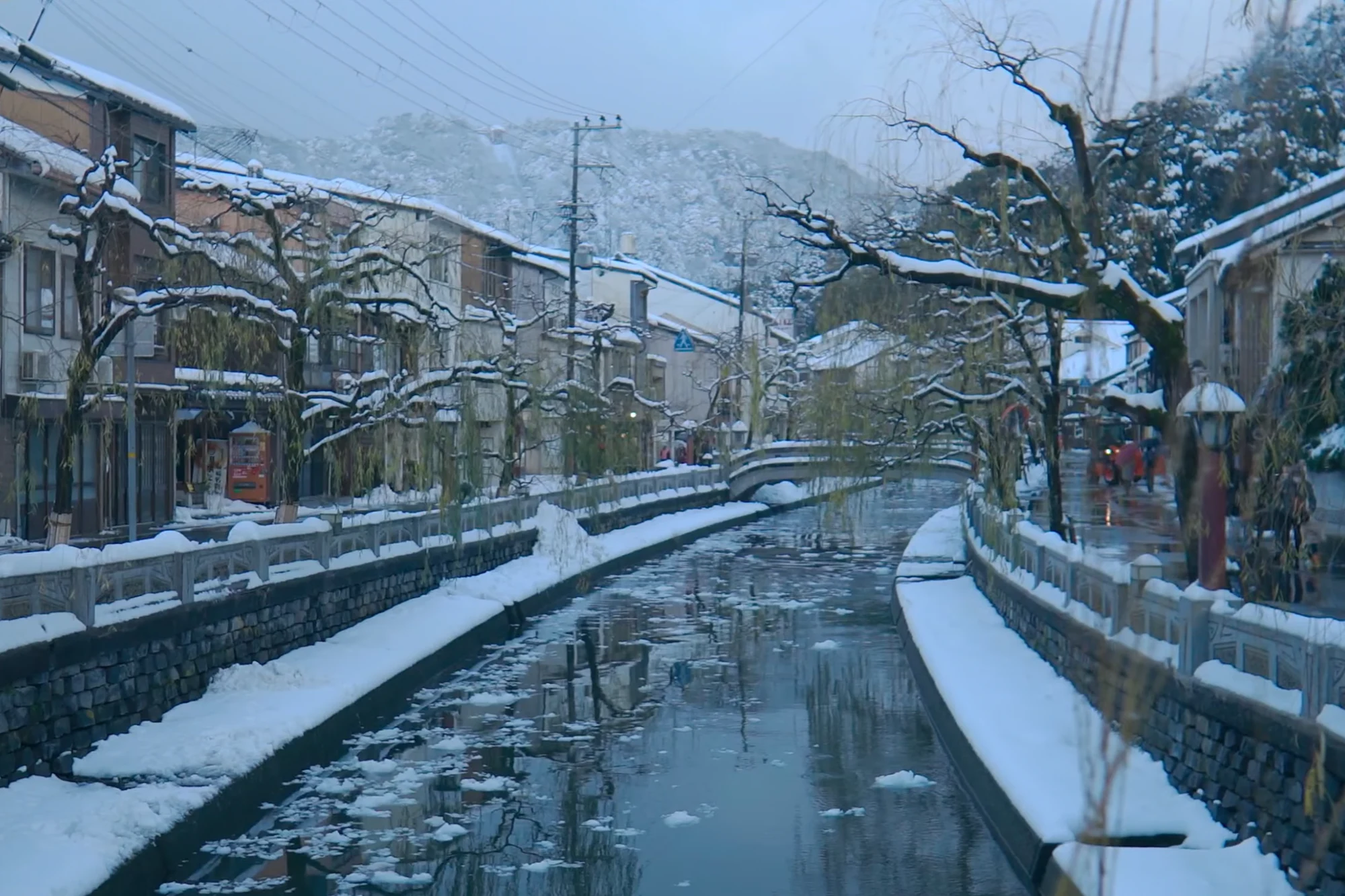
Winter (Nov–Mar): the tanzen coat over your yukata makes the lantern circuit not just possible but the season's signature; book months ahead and let dinner be crab. Early April: add twenty minutes everywhere for the canal blossom, and book the bridge-side rooms early. Summer: shift the circuit later into the cooler evening, add Takeno Beach if staying two nights, and watch for the summer fireworks evenings. ⚠️ verify dates. October: follow the plan exactly as written at the year's best prices. Festival days rewrite the plan in the best way. On April 23–24 the 温泉まつり (Onsen Matsuri) fills the lanes with the founder's memorial — water-blessing rite, children's procession, stalls — and on the October festival days (14–15 in 2026) the streets close for the 四所神社 (Shisho Shrine) floats, with the Seri clash at sunset in front of Ichi-no-yu; on those evenings, bathe early and give the prime hours to the street. ⚠️ Dates re-set yearly. In late March, the crab season's send-off puts free crab zōsui and barrel sake at the station over the closing weekend — a reason to time the late-winter version of this itinerary to the calendar's final page. None of these variants changes the skeleton: bath before dinner, lanterns after, a 7:00 house at dawn. The town's tide outranks its own calendar. Golden Week and New Year run the same skeleton at double the density; book those versions far ahead and take the 7:00 baths religiously, because dawn is the only hour the crowds cannot follow.
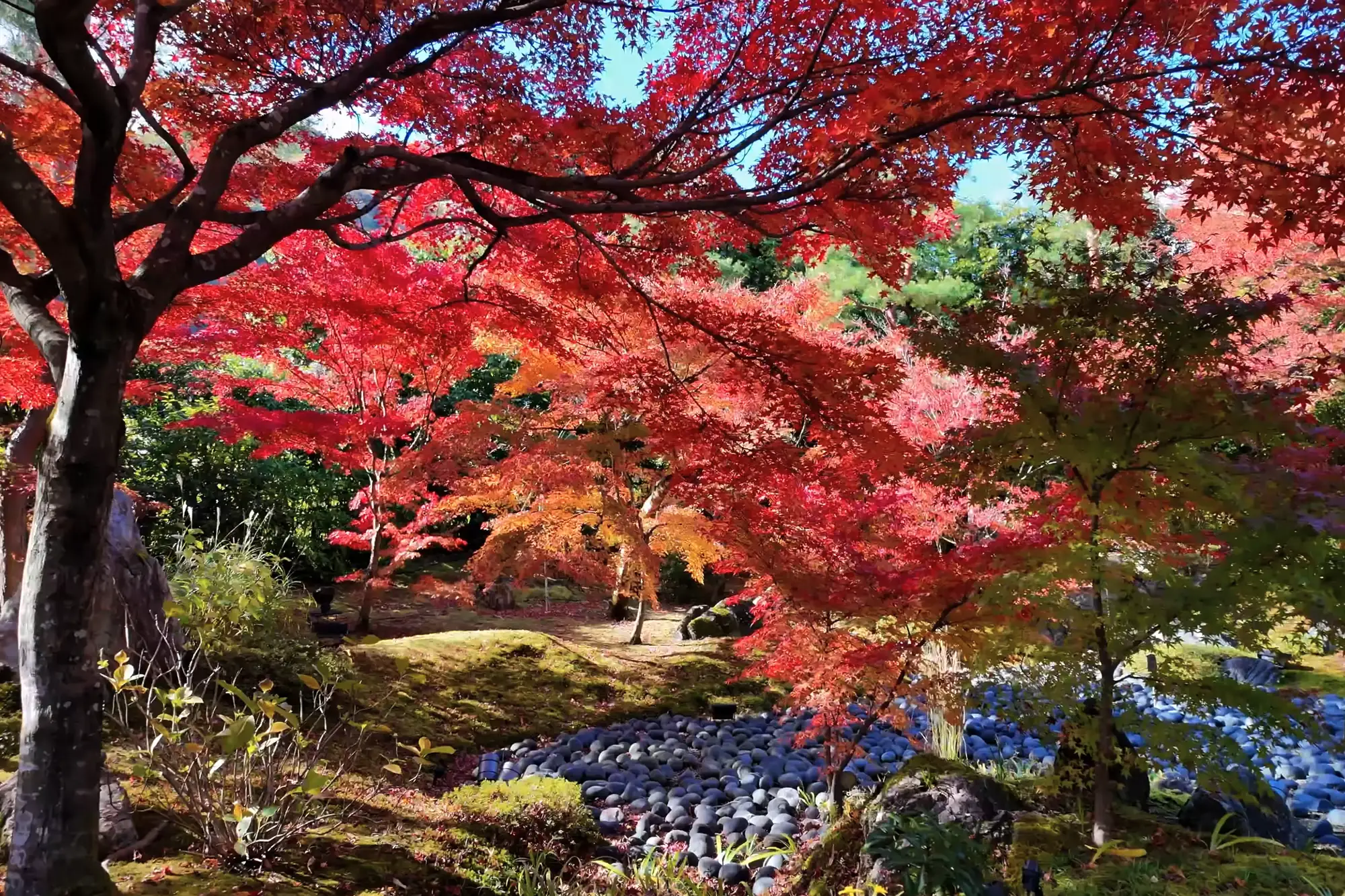
In autumn, trade one bath for the ropeway; in winter, trade it for a longer dinner.
With a second night
Keep day one intact, then give day two to the surroundings: Genbudo's basalt caves one stop down the line, the Toyooka stork sanctuary, the ropeway and Onsenji properly, beach in season, plus the two or three baths the rota or your stamina deferred. The second evening repeats the first at half the pace, which is the luxury. Our how long guide argues the one-vs-two decision honestly. Give the second morning to the writers: the walk past the town's 23 文学碑 (bungakuhi, literary monuments) runs one to two hours through everything you bathed past the night before, from 松尾芭蕉 (Matsuo Bashō) at the Tsukimi bridge to the self-signed 志賀直哉 (Shiga Naoya) stone by the literary museum (⚠️ the museum posted a temporary-closure notice in September 2026 — check status). Inland, Izushi adds a castle town and its sara-soba lunch to the Genbudo-and-storks day. Run the two evenings asymmetrically — the first athletic, the second idle at half pace — with the famous-house crab dinner, if the trip has one, on night two, where it can own the whole evening. The second night also retires the rota problem entirely: whatever closed on you the first day is open the second, which is how the town quietly rewards patience. Cost-wise the second night is the trip's best marginal purchase: the train is already paid, the town already reached, and the incremental spend is one room-and-dinner — which buys a full second evening and morning of the precise thing you crossed the country for. No other add-on in a Kansai itinerary returns that ratio.
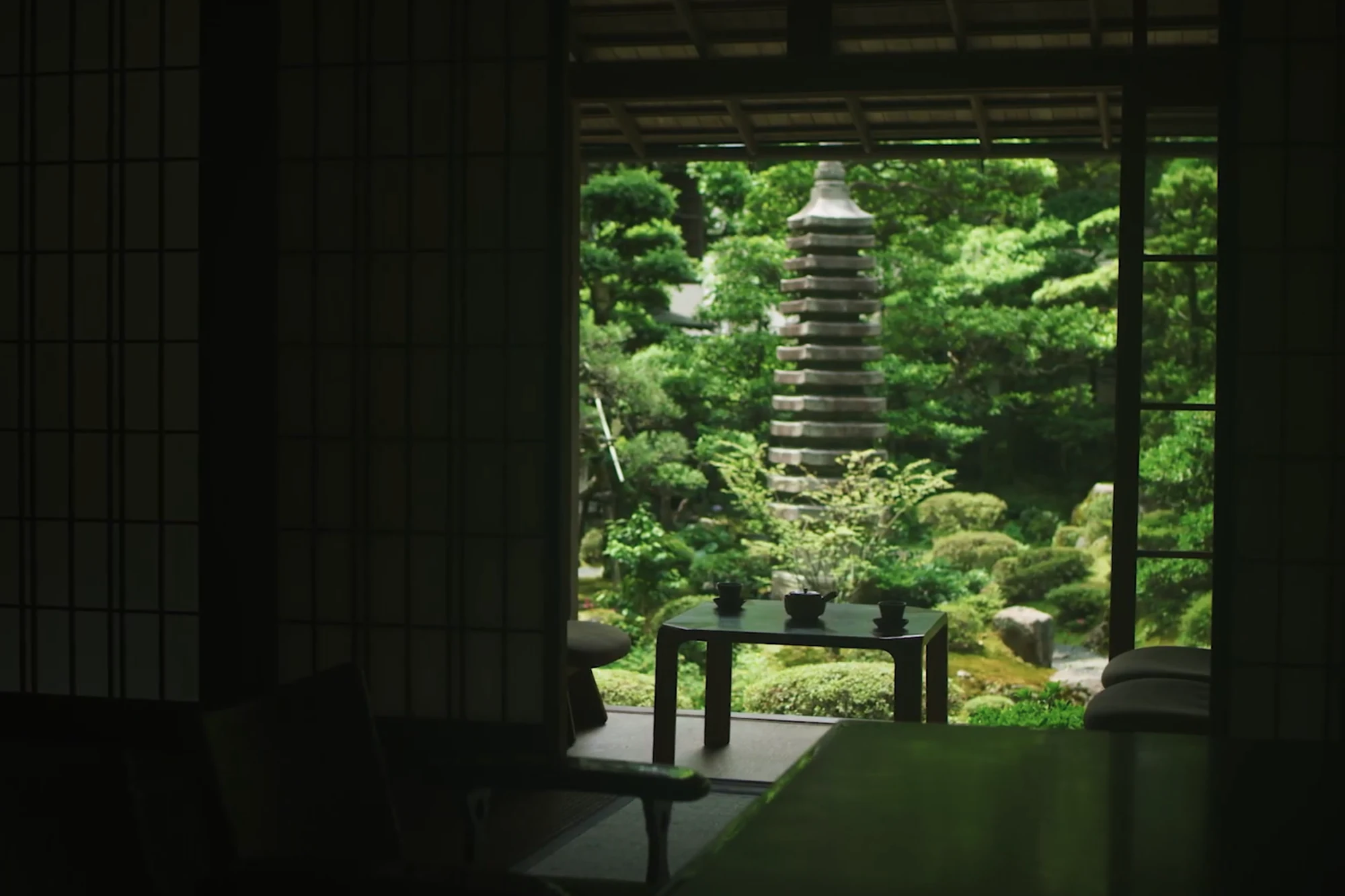
A second night converts a schedule into a stay. Nothing else on this list does that.
Tips
Book the room dinner-inclusive and the train seats before anything else; check the bath-closing rota the week of travel.
One bath before dinner, not two — the evening needs your core temperature in reserve.
Between baths is the point, not the obstacle: the bridges at night are the town's best photograph and best bench.
Set the 6:45 alarm — the 7:00 opening-hour soak is the single best thirty minutes the town sells.
Rain changes nothing; the lantern circuit in light rain is arguably an upgrade.

Verified by The Japan Onsen Society
Show all sources
Drafted June 12, 2026; bath hours, closures, festival dates and the pass window verified September 22, 2026. Primary Japanese sources:
外湯 — 城崎温泉観光協会 (Kinosaki Onsen Tourism Association — hours, closing days, current closures): [https://kinosaki-spa.gr.jp/about/spa/](https://kinosaki-spa.gr.jp/about/spa/)
外湯めぐり発祥の地!温泉天国★城崎温泉 — 豊岡市観光公式サイト (Toyooka City Official Tourism Site — guest-pass window): [https://toyooka-tourism.com/recommend/onsen/kinosaki_sotoyu/](https://toyooka-tourism.com/recommend/onsen/kinosaki_sotoyu/)
温泉まつり + イベント情報 — 城崎温泉観光協会 (festival and fireworks dates): [https://kinosaki-spa.gr.jp/event/](https://kinosaki-spa.gr.jp/event/)
城崎温泉の【飲泉】 — 豊岡市観光公式サイト (station-front drinking fountain, ~57°C): [https://toyooka-tourism.com/recommend/onsen/kinosaki_insen/](https://toyooka-tourism.com/recommend/onsen/kinosaki_insen/)
Related guides
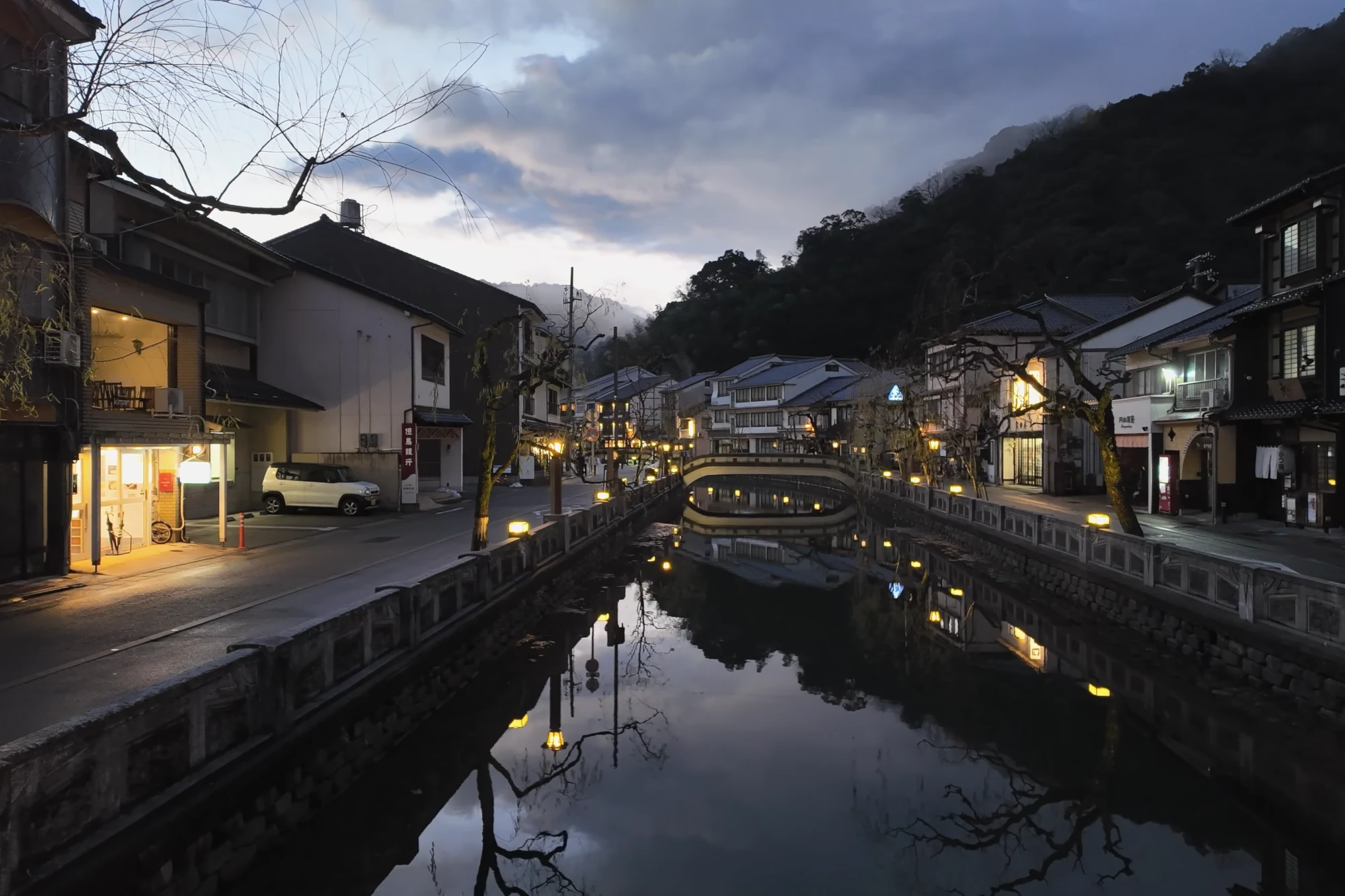
Plan Your Visit
How long to stay
One night works, and most people do exactly that. Two nights is when the town stops being a stop.
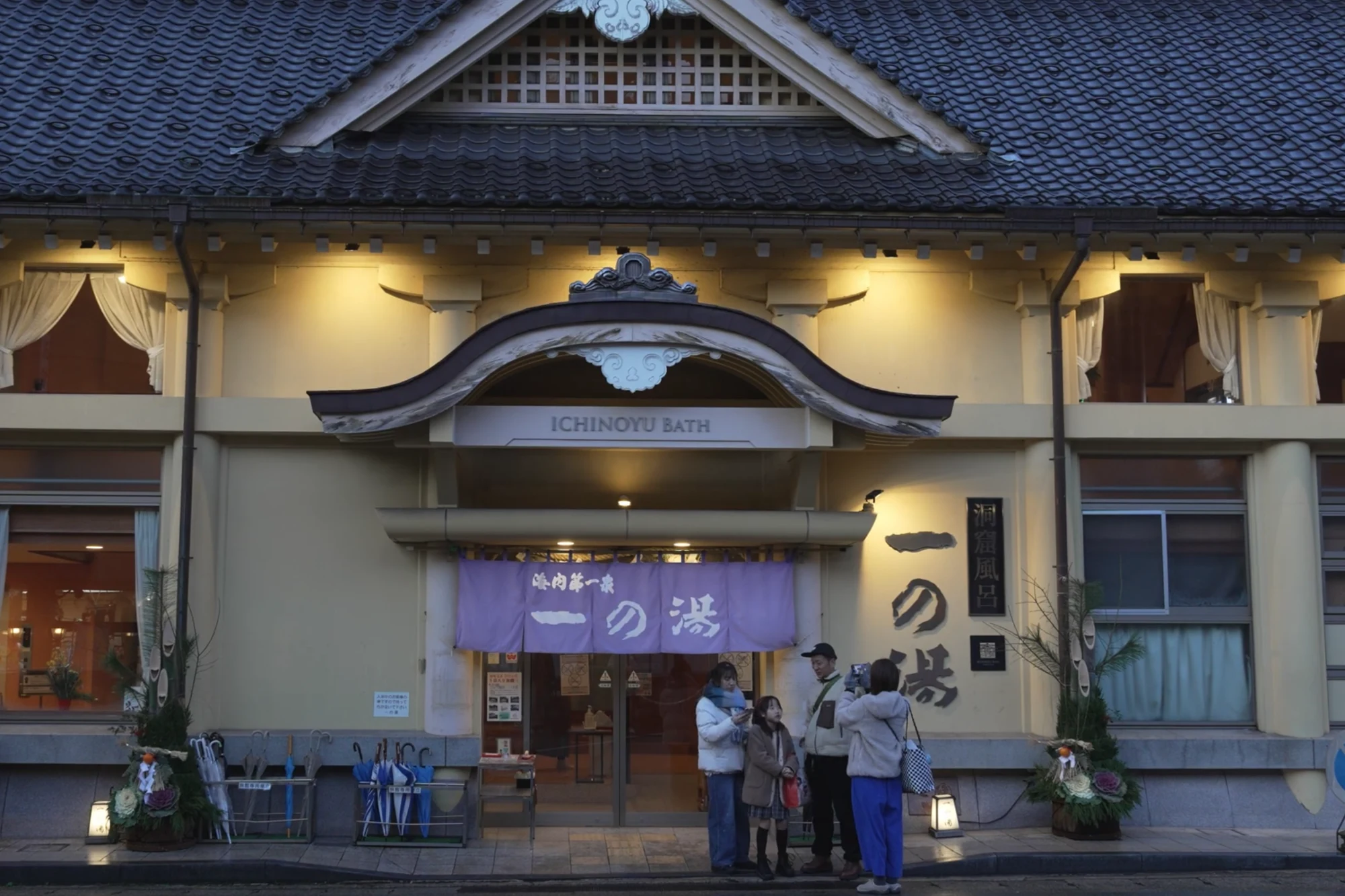
Plan Your Visit
The 7 bathhouses
Same water in all seven houses. What changes is the room, the story, and the blessing on the door.
Plan Your Visit
Best time to visit
Crab from November, snow in January, willows in April. There is no wrong month, only different ones.
Plan Your Visit
Wearing yukata
Yukata are worn in the street here, not only inside your room. Here is how to tie one and walk in it.