The two autumns
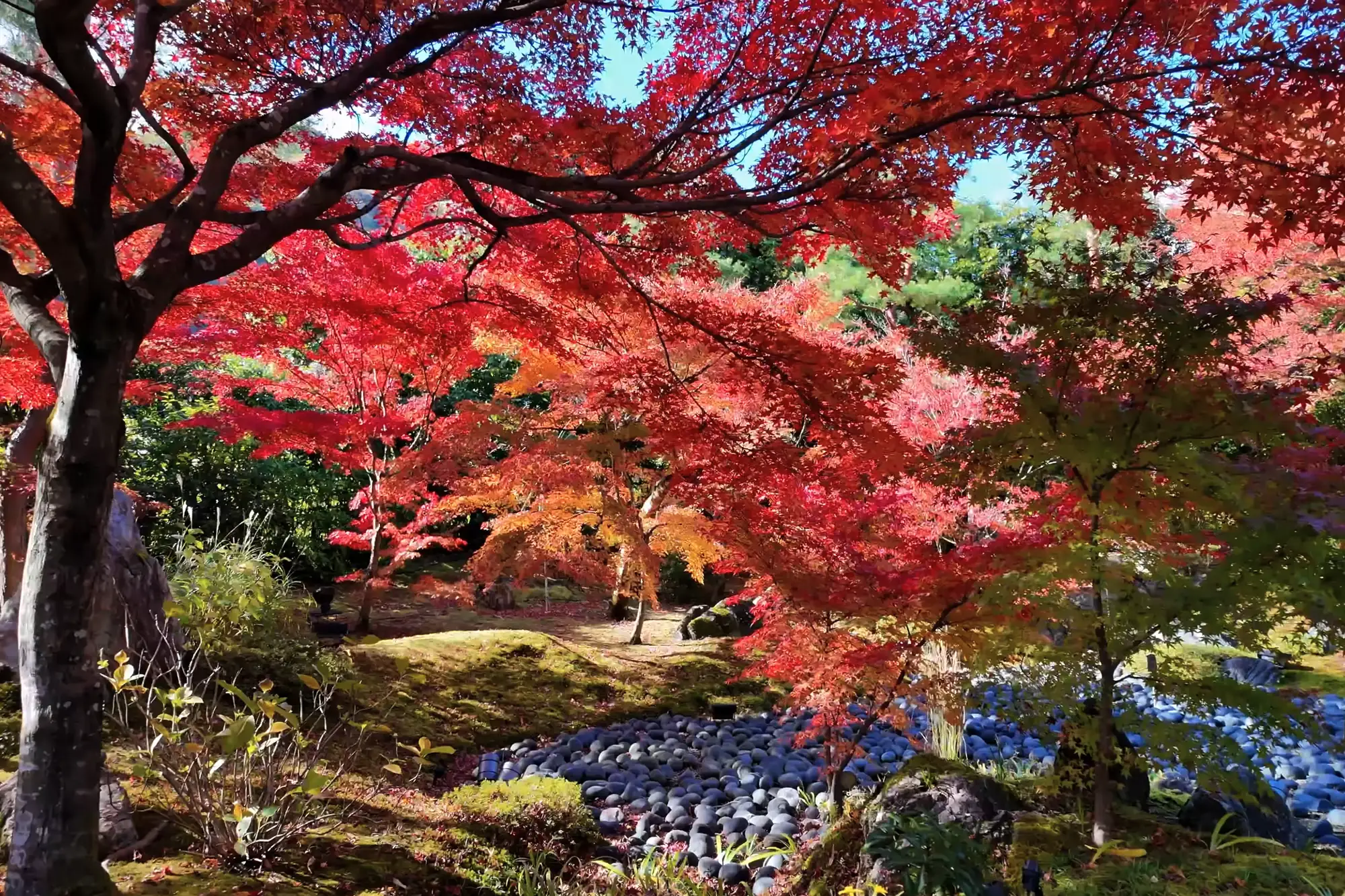
Kinosaki's autumn divides cleanly at a date, and planning improves the moment you see the halves. The first autumn — September through early November — is the connoisseur's shoulder: summer's crowds gone, the crab premium not yet arrived, bathing weather sharpening toward perfect, and the same rooms that need four months' lead in January available on a week's notice. The second autumn begins November 6, when the crab boats take their first sanctioned catch and the town's menus, rates and booking curves pivot within days into the winter economy that runs to March. The first autumn is the one this page mostly argues for, because nothing else on the calendar delivers the town this completely at prices this gentle. The circuit runs at its most comfortable — warm enough to stroll, cool enough that the water earns its welcome — the kitchens serve an autumn kaiseki of 松茸 (matsutake, pine mushroom), 山菜 (sansai, mountain vegetables) and the last of the summer fish, and the daily tide still hands the lantern evenings to overnight guests, just with shorter queues at Goshono-yu. The second autumn belongs to the crab file and the winter guide, but its approach shapes September–October planning too: rates begin firming as the opening nears, the festival briefly fills the town mid-October, and the traveller with flexible dates should read the whole season as a value curve that peaks — in the value sense — in the quiet weeks and converts to spectacle at the hinge. Choose your autumn deliberately; the town offers both and prices them honestly.
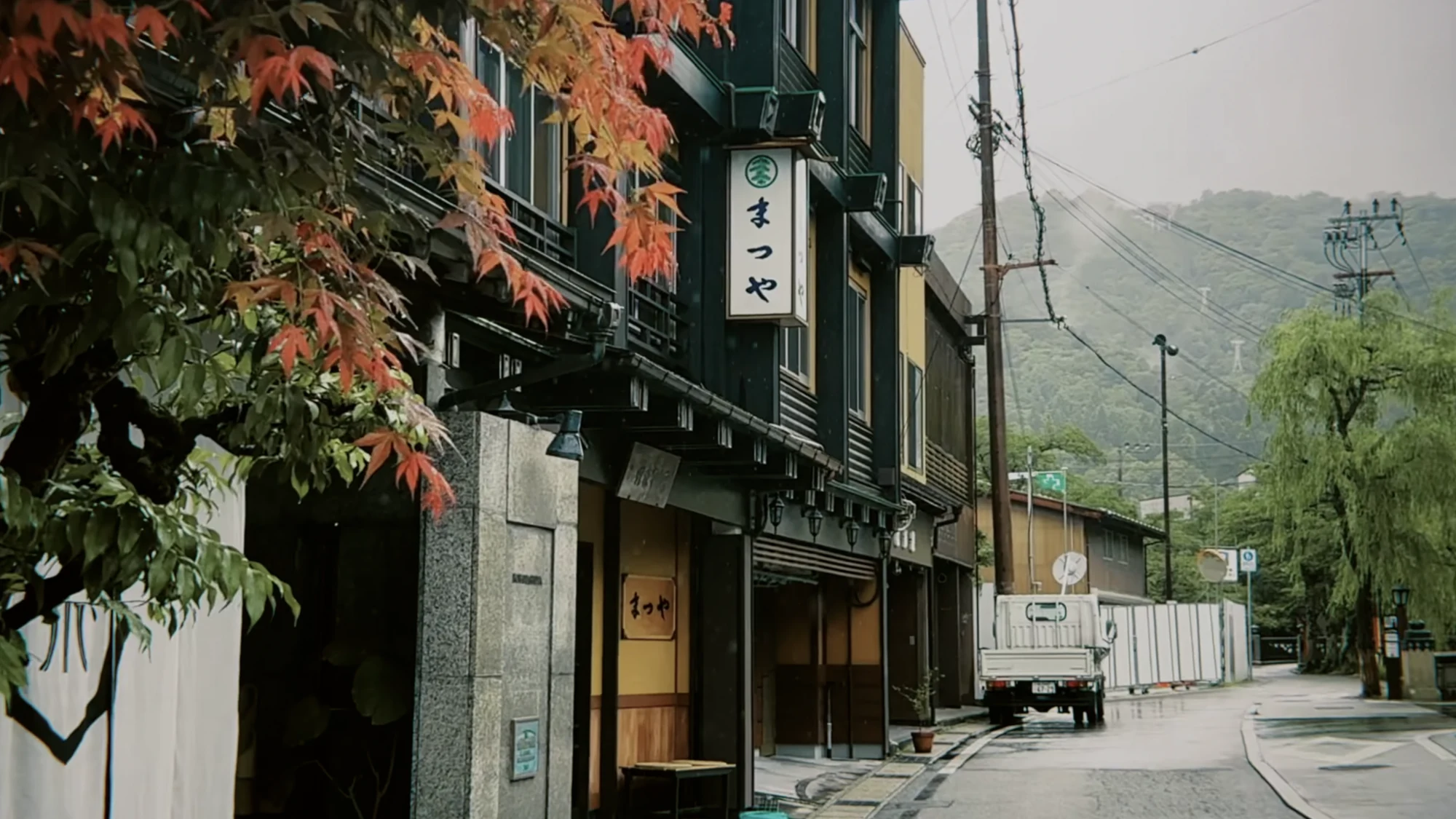
October is the month nobody books: perfect bathing weather, no crab premium, rooms on a week's notice.
Foliage, honestly
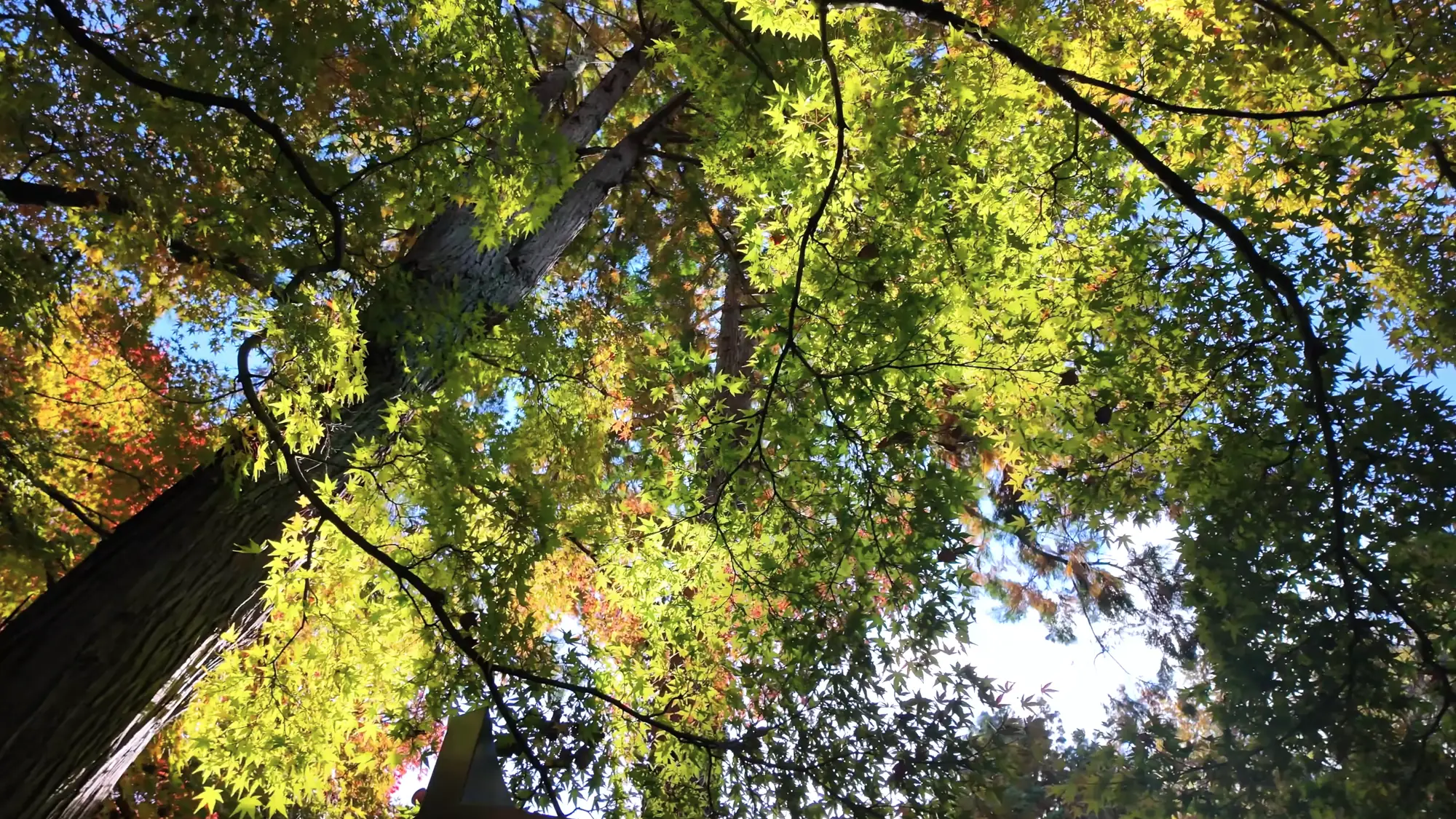
Kinosaki is not a koyo pilgrimage destination, and this page will not pretend otherwise: the town's own trees are willows, which fade rather than flame, and the canal's beauty in autumn is light and air more than colour. The colour happens on the hill. The gorge around the ropeway line up Mt. Daishi turns properly, with peak colour typically arriving early-to-mid November — later than Japan's mountain resorts, because this is the mild coast — and the summit viewpoint stacks the turned slopes against the sea. ⚠️ Foliage timing shifts yearly; check regional reports. That late peak is what creates the overlap this page keeps advertising: the hill colours arrive just as crab season opens, so a single early-November trip catches the foliage from the ropeway at midday and the season's first tagged crab at dinner — two headline experiences that in most regions live weeks apart. The ten days either side of November 6 are the year's best-kept window, and they are kept only because October's cheapness and December's fame both out-shout them. For photographers the honest map is short: the gorge from the ropeway (ride up in morning light), Onsen-ji's temple grounds in the turned trees at the mid-station, and the town itself shot at dusk as always — lanterns and water need no red leaves. Day-trippers chasing bigger colour have Genbudo's basalt amid autumn woods a short hop away. Treat the foliage as the season's garnish rather than its argument, and it will overdeliver; book Kinosaki for leaves alone and the willows will gently correct you.
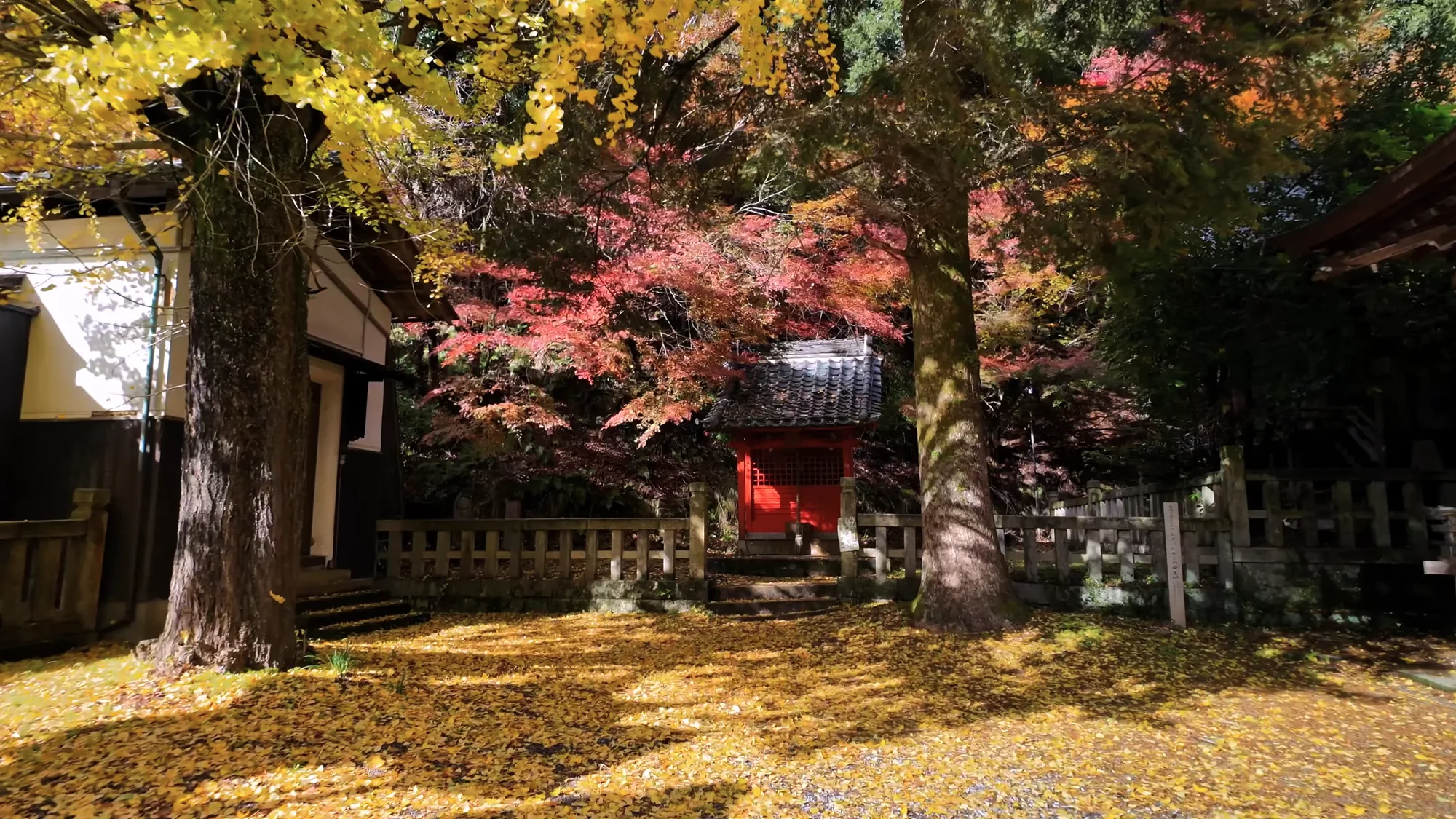
Peak colour on the ropeway gorge usually lands in the first week of November. ⚠️
The autumn festival: the town at full volume
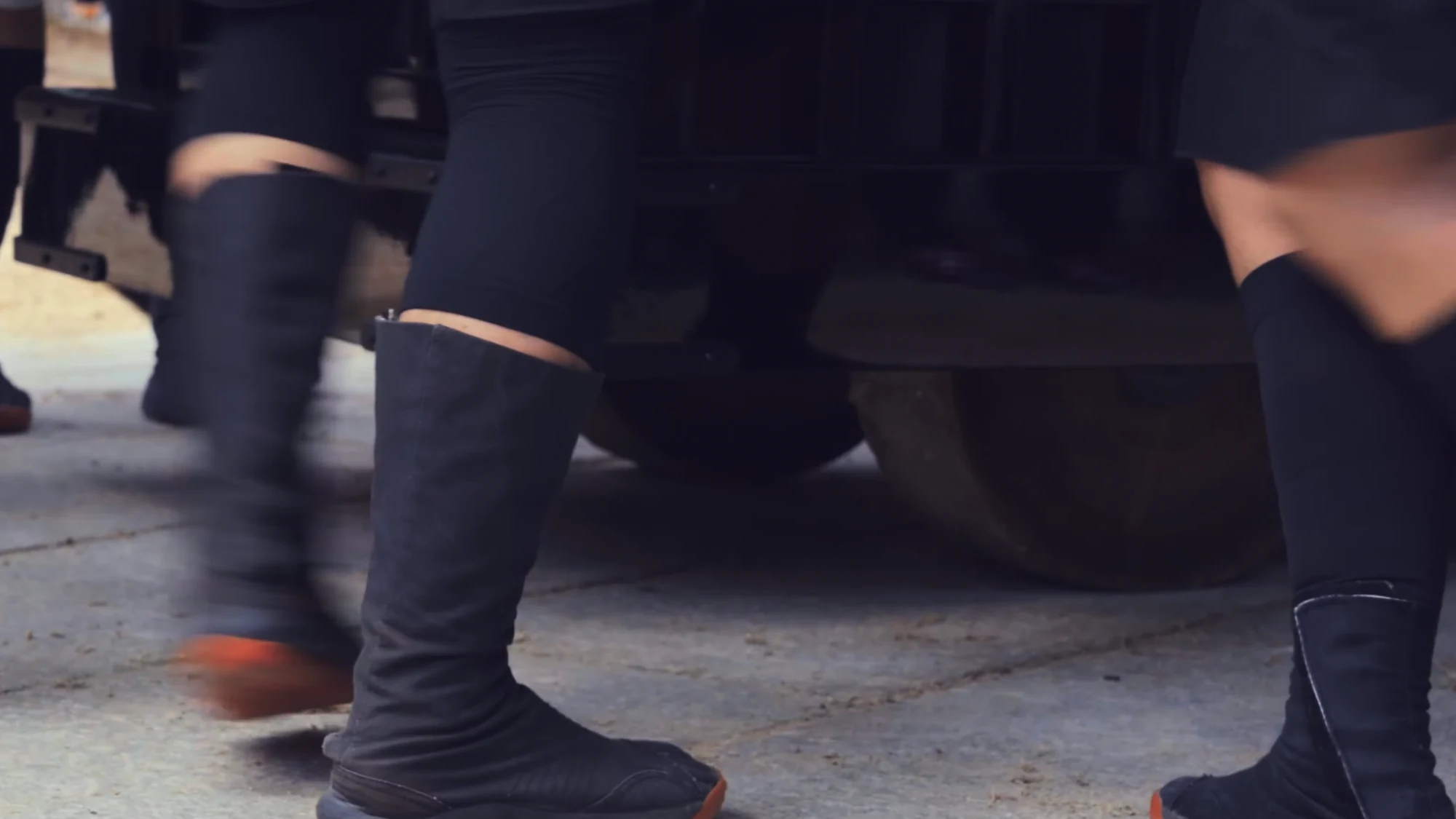
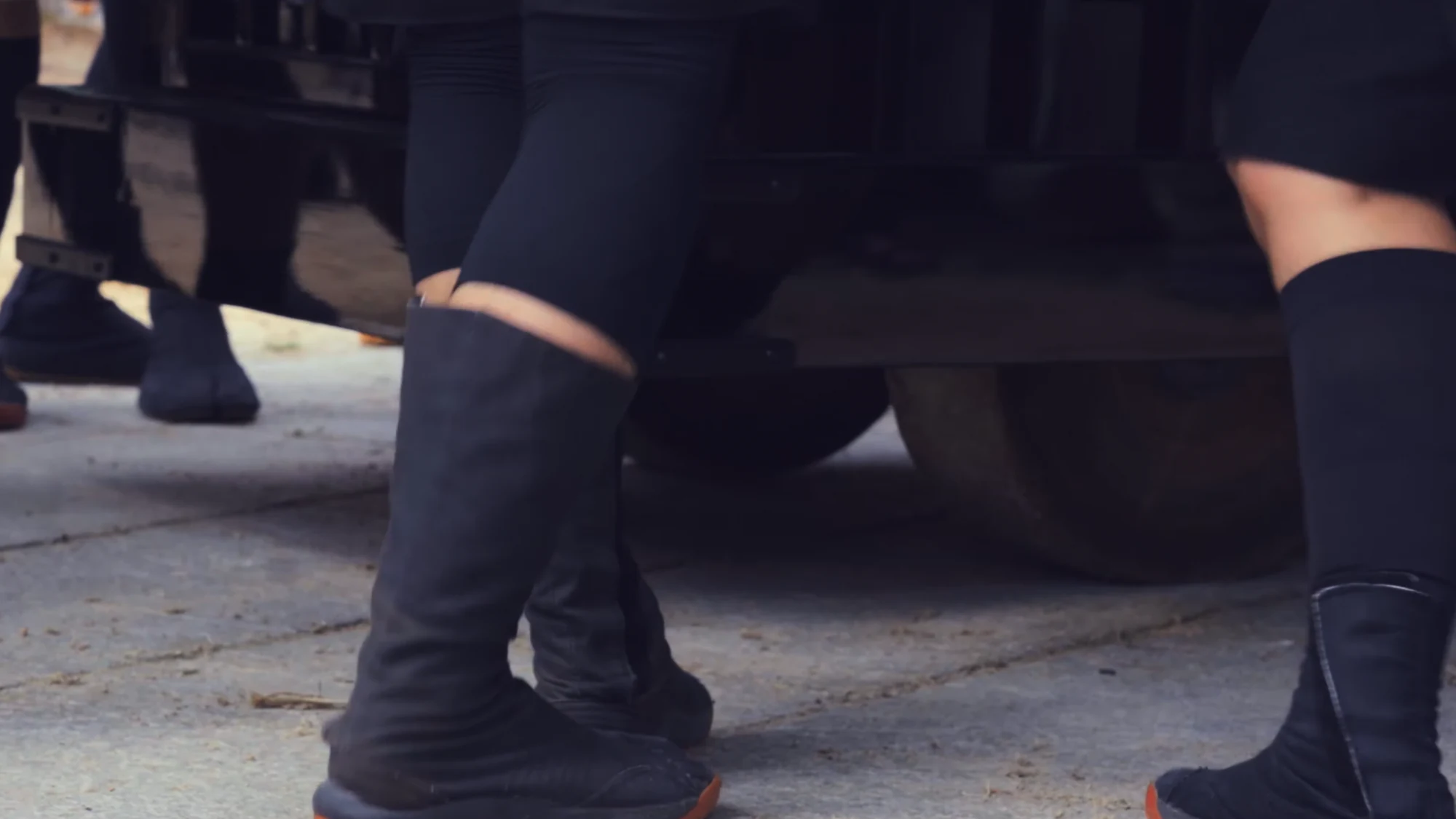
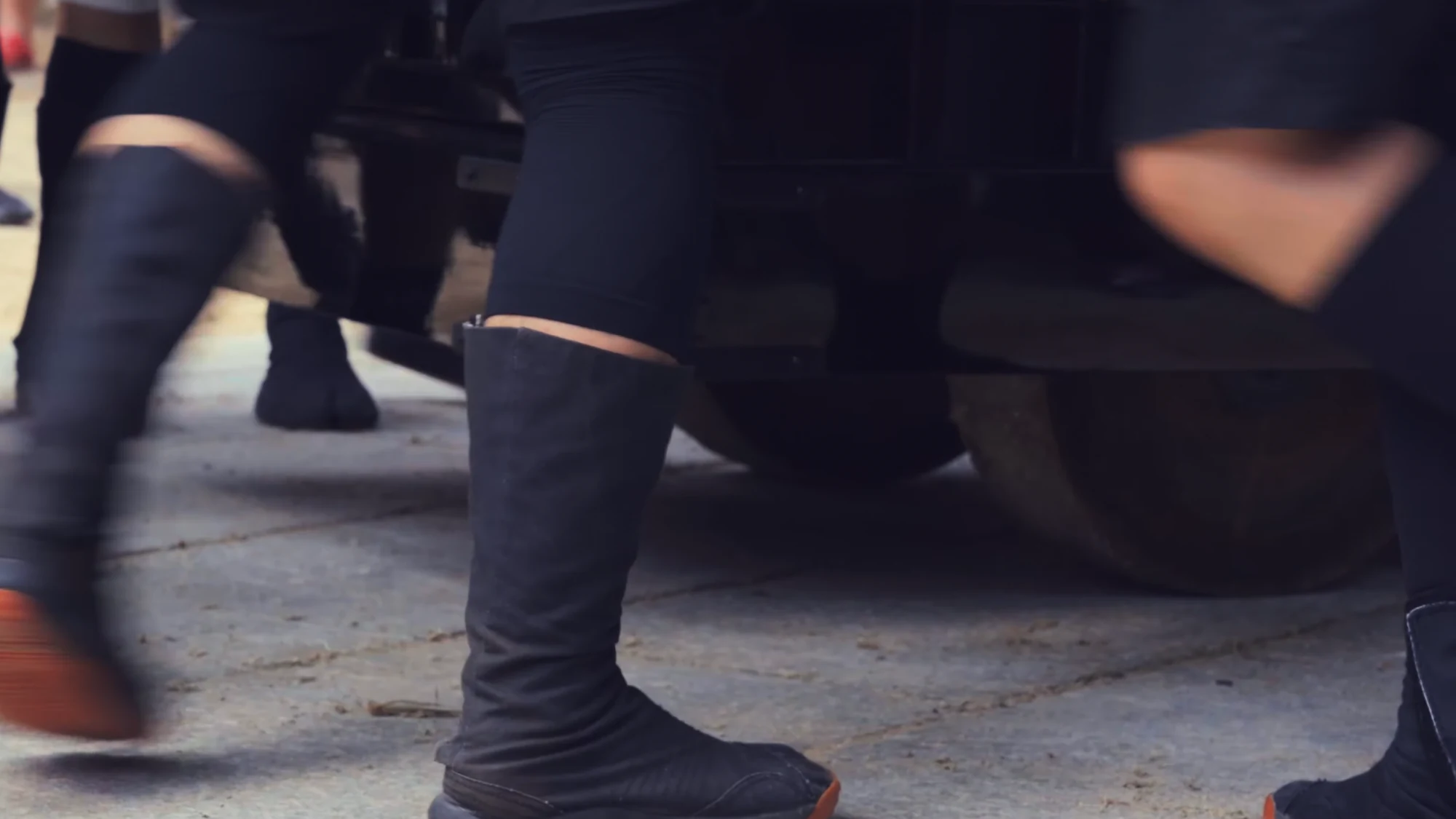
Mid-October delivers the year's loudest forty-eight hours. The town's autumn festival — the association describes roughly 300 years of continuity — runs two days at 四所神社 (Shisho-jinja, Shisho Shrine), the guardian shrine standing mid-town among the bathhouses: the 宵宮 (yoimiya, festival eve) and the 本宮 (hongū, main day), October 14–15 in 2026. Drums, bells, festival dress and street stalls take over the same lanes the yukata crowd usually holds, and a town built for quiet evenings shows what it sounds like at full volume. ⚠️ Dates shift by year; the town posts traffic restrictions for the duration. The highlight is the セリ (Seri, the float clash), at sunset on the main day: festival floats clashing at the Ō-hashi bridge in front of Ichi-no-yu, close enough to feel through the stones. Arrive early for a bridge-adjacent position, keep children back from the press, and accept that the bath circuit pauses for the spectacle — on these two evenings you are scheduling around the town's calendar, and that is the correct trade. The season also dresses the streets more gently with 月見飾り (tsukimi kazari, moon-viewing displays), autumn's quieter decoration. Booking-wise the festival is a bounded spike in a soft month: rooms in earshot of the route fill first, the dates around it stay October-easy, and the play for interested travellers is simply to aim the mid-October value trip at the festival days and receive the spectacle at no premium worth naming. For everyone else, the flanking weeks keep the quiet October the rest of this page describes — the festival is two days, and the month is generous around it.
COLLAGE 3 of 3.
COLLAGE 2 of 3.
COLLAGE 1 of 3 — place as a three-frame strip, not as single images.
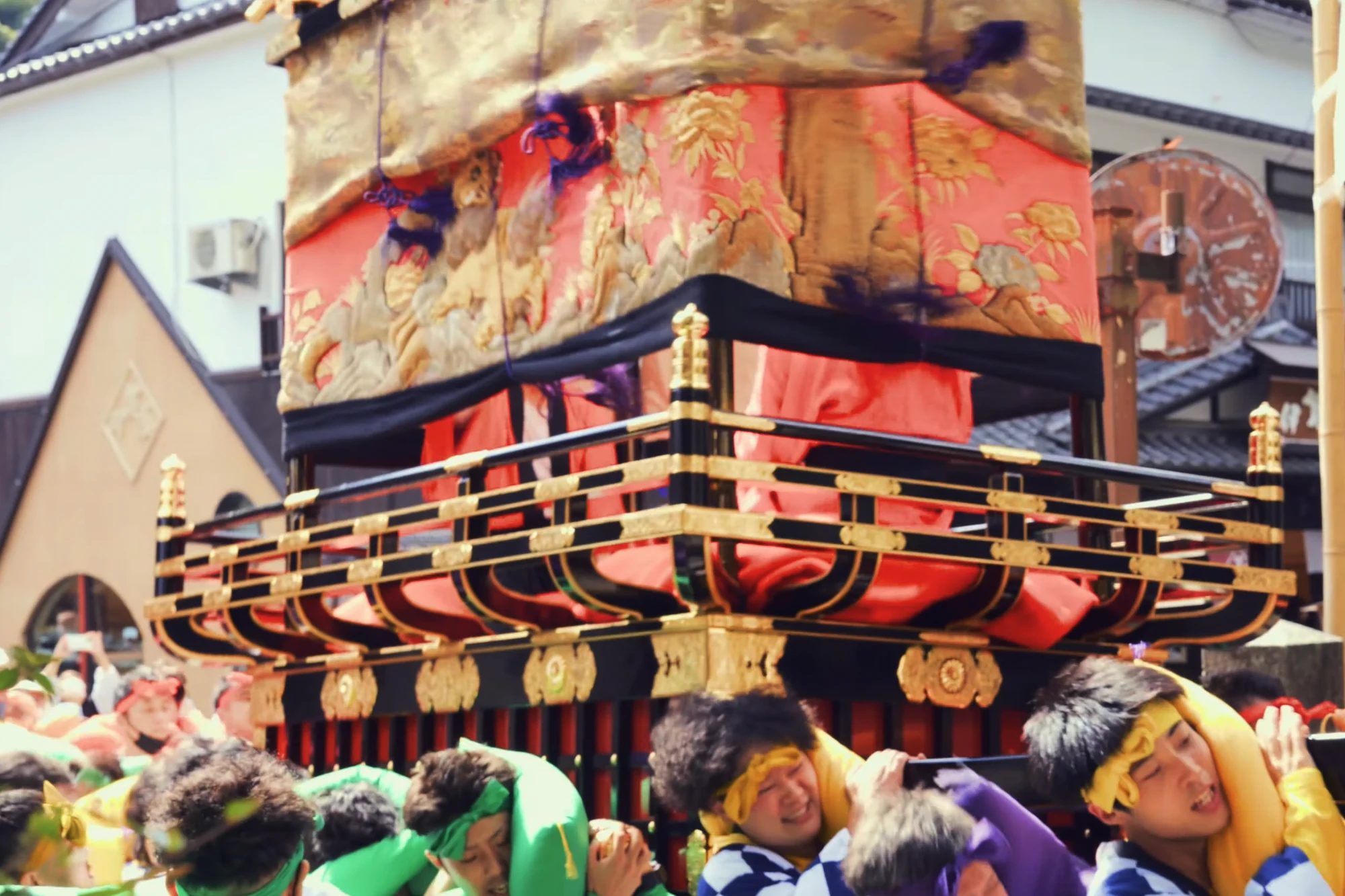
The autumn festival runs two days in mid-October — October 14–15 in 2026 — at Shisho Shrine. ⚠️
November 6: the pivot, and how to play it
The crab opening deserves its own section because it is autumn's true main event and the calendar's sharpest edge. On November 6 the San'in fleet takes its first sanctioned Matsuba catch, the port auctions make regional news, tagged claws appear in shop windows through the day, and the town's kitchens — which have been serving autumn kaiseki for two months — turn over their menus almost visibly by dinner. Rates step up with them, and the four-and-a-half-month winter economy begins. ⚠️ Season dates are fishery regulation; verify current notices. The overlap play, precisely: book the opening week or the one after, midweek if possible. You get foliage at peak on the hill, opening-season crab at the table, October's weather barely faded, and rates that — while above the shoulder floor — sit meaningfully below the December weekends. The sekogani, the female crab whose roe-prized season runs only to December 31, adds a second seasonal argument for the early window that the crab guide details. The counter-play is just as legitimate: travellers who do not care about crab should treat November 6 as a deadline rather than an invitation — take the last full week of October, collect the town at its softest prices with the festival freshly past and the foliage beginning, and leave before the pivot repricing arrives. Either way, the date is the planning anchor: autumn in Kinosaki is not one season to enter vaguely but a curve with a marked hinge, and every good autumn booking here starts by choosing a side of it.
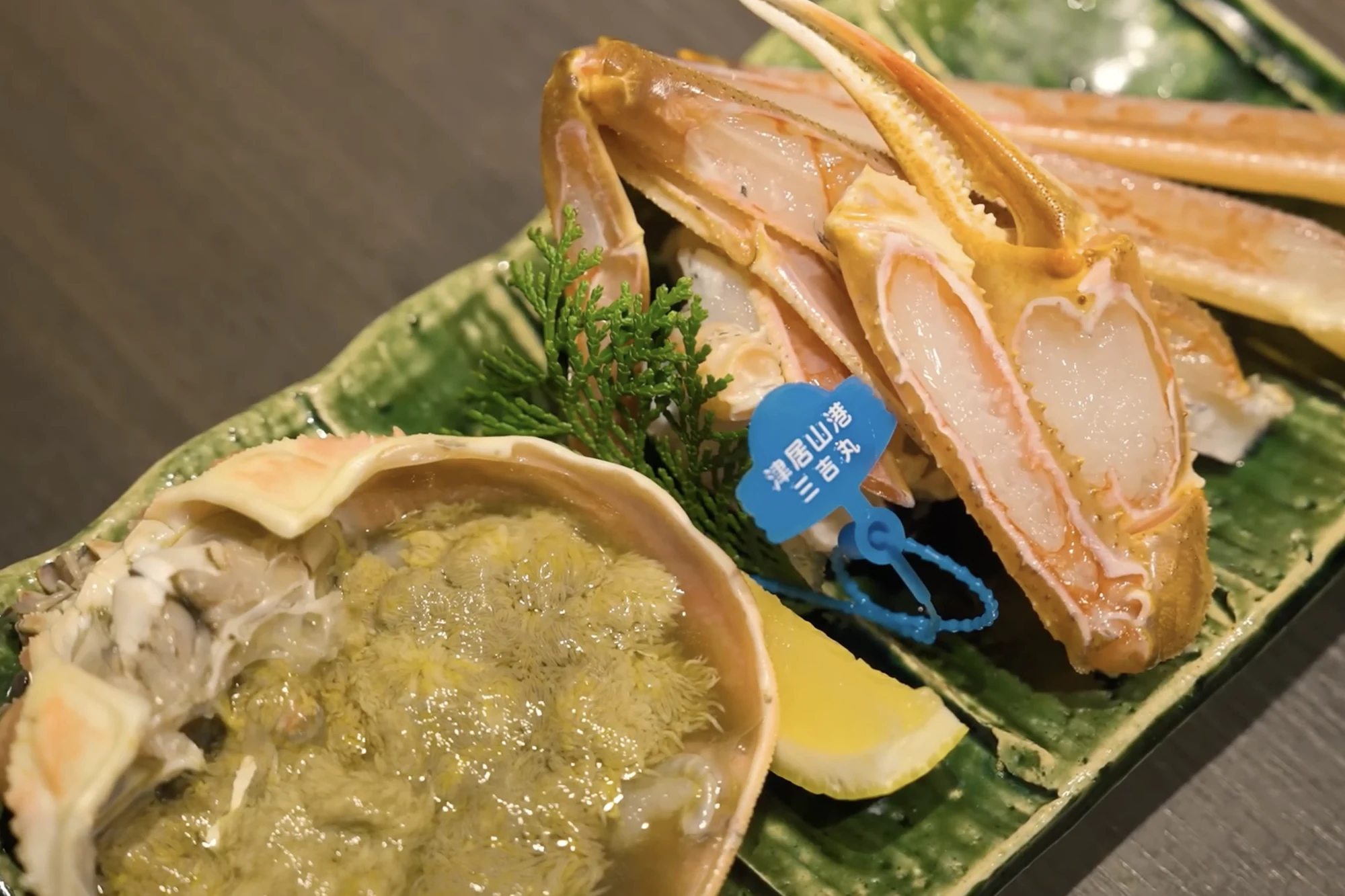
November 6 is the pivot: crab opens, and October's gentle arithmetic ends overnight.
Weather, wardrobe and the circuit
Autumn is the circuit's mechanical sweet spot. September holds late-summer warmth with the sea's humidity easing — and the honest caveat that early autumn sits in typhoon season's tail, so a September booking carries a small weather-disruption risk worth a flexible ticket. ⚠️ Seasonal generalisation; watch forecasts. October is the year's least-negotiated month: days around light-jacket temperatures, evenings crisp enough to make the water feel earned, and neither the padded winter kit nor summer's perspiration tax anywhere in sight. The wardrobe answer is the yukata system's easiest setting: the cotton alone by day, the haori jacket layered for the lantern hours, and the winter tanzen still weeks from necessity. Geta and stone behave well in the dry weeks; the first cold rains of November reintroduce the small-steps technique the yukata guide teaches. Pack one warm layer for the November end of the season and nothing special otherwise — autumn asks less of your suitcase than any other Kinosaki season. For the bathing itself, the season's gift is range: early autumn favours the evening circuit while afternoons stay warm, and by late October the 7:00 (7 am) morning soak — steam beginning to show over the canal, streets empty and cooling — starts rehearsing the winter masterpiece at shoulder-season prices. Run the standard rhythm, three or four houses a day with the drinking fountains between, and let the sharpening air do what it does to hot water everywhere: improve it week by week until, right on schedule, the crab arrives to match it.
Autumn evenings are cool enough for the tanzen coat but short of the cold that fills the baths.
The autumn booking playbook
The month-by-month mechanics, compressed. September: book casually, watch the typhoon tail, enjoy a town still exhaling from summer — the value is real but the weather carries the season's only asterisk. October: the year's easiest excellent booking — rooms on a week's notice outside the festival days, every experience at full strength, prices at the annual floor for what is delivered; aim mid-month if the festival appeals, either flank if quiet is the point. Early November: the overlap window — book with a fortnight's intent rather than a season's, midweek for the best of it. After the hinge, winter rules apply: crab plans decided before rooms, weekends booked months out, the December surge building. The one cross-season warning is the sekogani clock — roe-season devotees must land between November 6 and December 31, which makes late November the compromise date for travellers wanting overlap value and the female crab on one trip. ⚠️ All dates per current fishery notices. And one meta-note for the readers this page most wants to reach: if you have been circling Kinosaki waiting for the "right" season, autumn's first half is the lowest-stakes yes the calendar offers. The full town — baths, lanterns, kaiseki, the tide of the evenings — at its most bookable and least expensive, with the crab spectacle available one hinge away if you time it. Run the standard playbook — dinner-inclusive room, luggage sent ahead, the pass collected at check-in — and add nothing seasonal to it, because nothing seasonal is required: no crab-plan decision, no snow-gear packing, no blossom-forecast watching. The other seasons have bigger headlines and longer checklists; autumn quietly has the town.
Tips
Book the ten days around November 6 for the foliage-plus-crab overlap — midweek for the best rates
Not a crab traveller? Treat November 6 as a deadline: take late October and leave before the repricing
Aim mid-October at the festival for spectacle at no premium; flank it for quiet
September carries the typhoon tail — book flexible tickets
By late October, start taking the 7:00 (7 am) morning soak: winter's masterpiece at shoulder prices

Verified by The Japan Onsen Society
Show all sources
Verified July 7–16, 2026; event calendar and bathhouse hours verified September 22, 2026. Primary Japanese sources:
イベント情報 — 城崎温泉観光協会 (Kinosaki Onsen Tourism Association — the event calendar: Onsen Matsuri, autumn festival, Crab Kingdom season events): [https://kinosaki-spa.gr.jp/event/](https://kinosaki-spa.gr.jp/event/)
外湯めぐり発祥の地!温泉天国★城崎温泉 — 豊岡市観光公式サイト (Toyooka City Official Tourism Site — the sotoyu system, ordinance, prices): [https://toyooka-tourism.com/recommend/onsen/kinosaki_sotoyu/](https://toyooka-tourism.com/recommend/onsen/kinosaki_sotoyu/)
外湯 — 城崎温泉観光協会 (Kinosaki Onsen Tourism Association — bathhouse hours, closing days, current closures): [https://kinosaki-spa.gr.jp/about/spa/](https://kinosaki-spa.gr.jp/about/spa/)
温泉地詳細[城崎温泉] — 日本温泉協会 (Japan Spa Association — spring classification and the 適応症/禁忌症 register): [https://www.spa.or.jp/search_p/detail_p/?F_ID=280880&pg=0](https://www.spa.or.jp/search_p/detail_p/?F_ID=280880&pg=0)
Related guides
When to Visit
Best time to visit
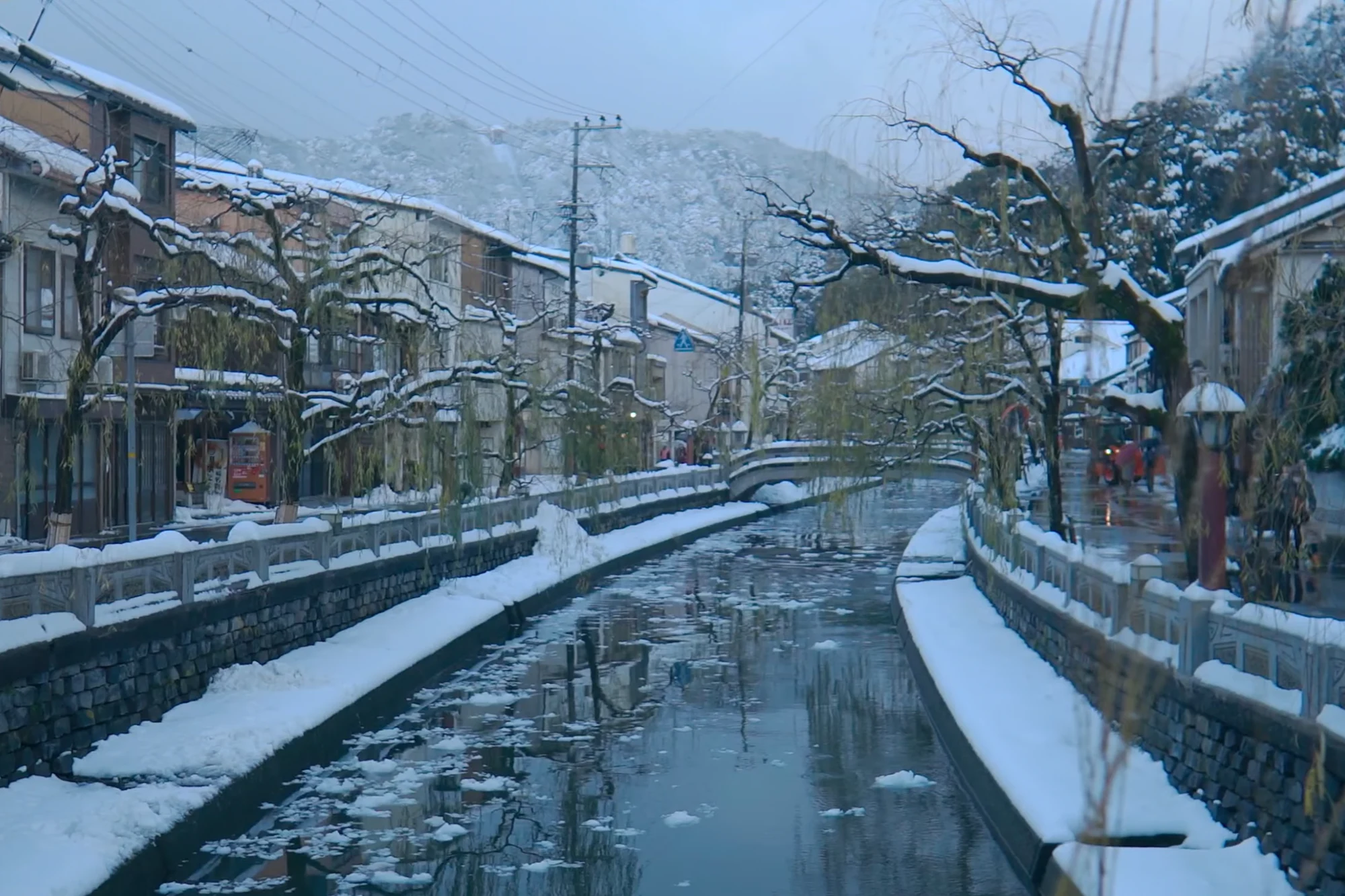
Crab from November, snow in January, willows in April. There is no wrong month, only different ones.
When to Visit
Crab season
Matsuba crab season opens on November 6 and runs to March. It is why winter rooms disappear early.
When to Visit
Winter
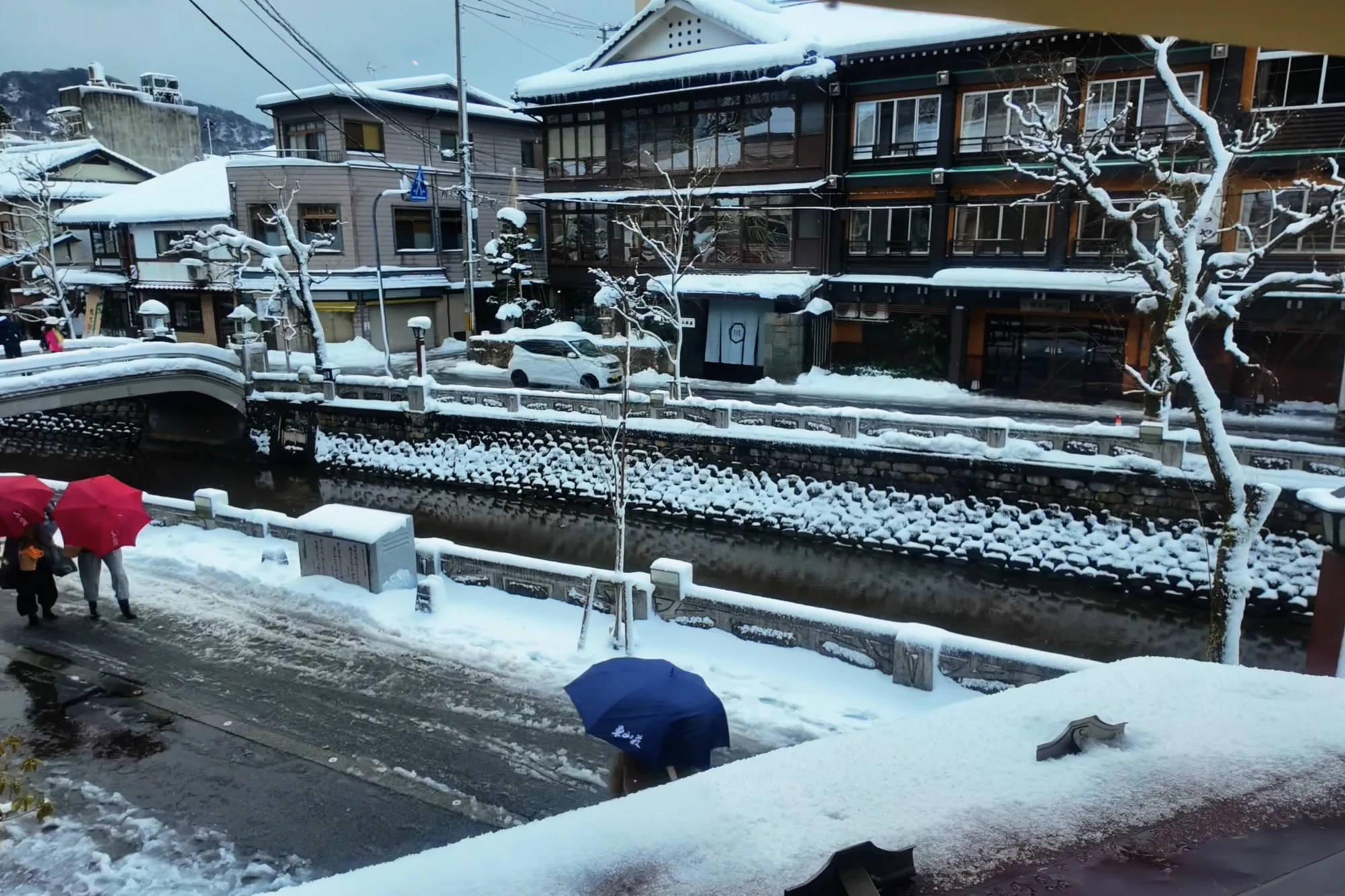
Snow on the willows, crab on the table, and seven hot baths to walk between. Kinosaki's best case.
When to Visit
Things to do
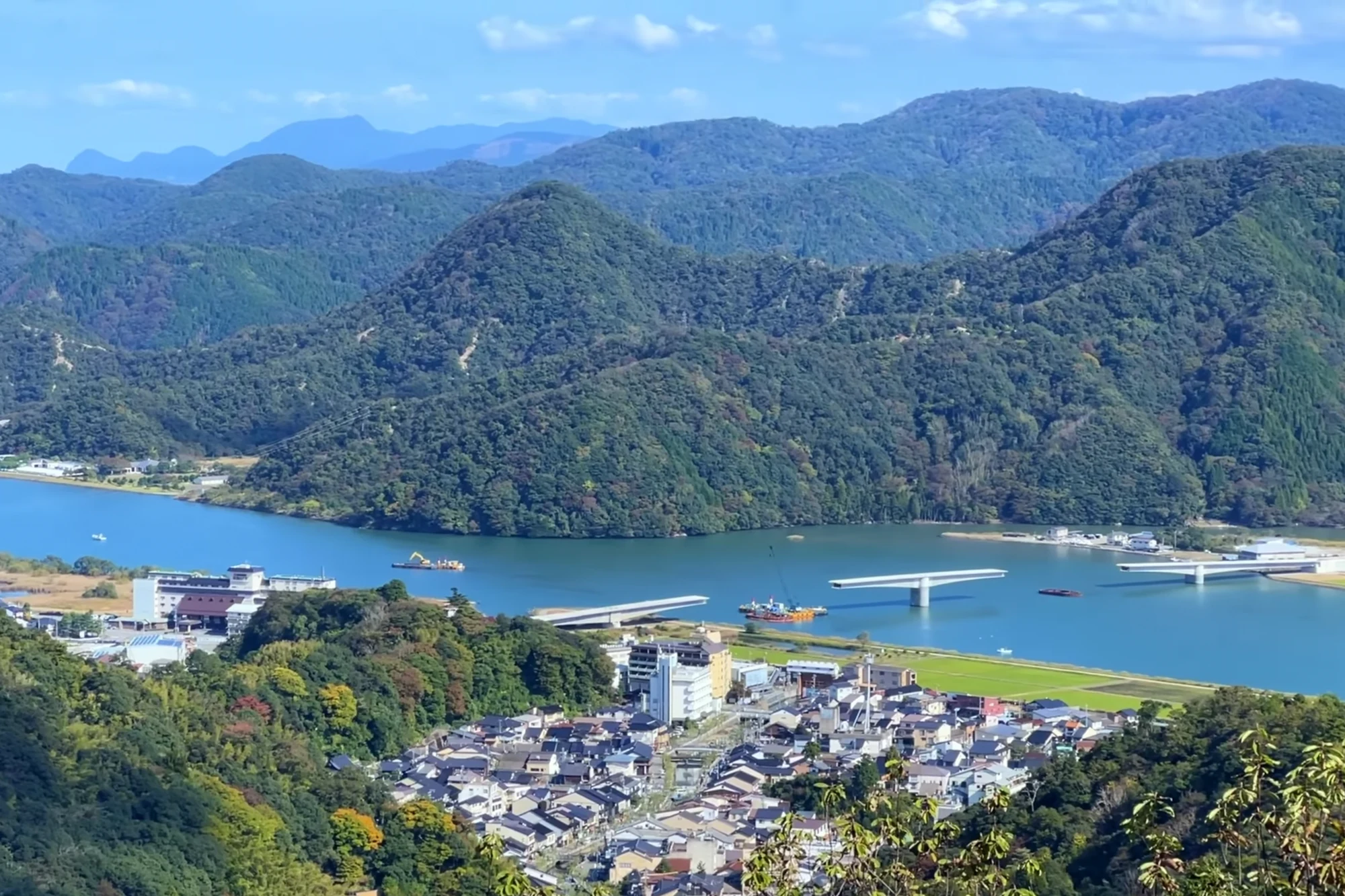
Beyond the baths: a ropeway, a mountaintop temple, a literary museum and a stretch of wild coast.